
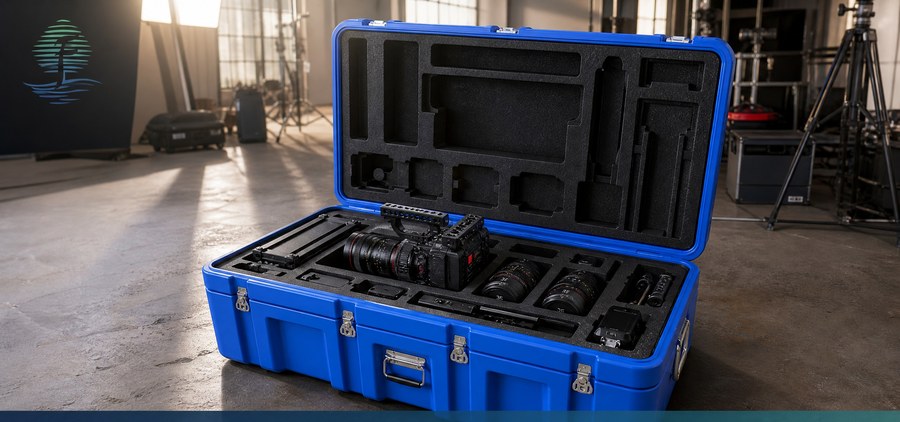
01
Instruments, imaging & measuring equipment
Focus: fragile areas, accessory organization and repeated access.
INDUSTRIAL · EQUIPMENT PROTECTION
Tell us about your equipment, operating conditions and purchasing plans. Funder works with you to review candidate cases, interiors and supporting documents, then agree sample arrangements, quotation scope and delivery terms.
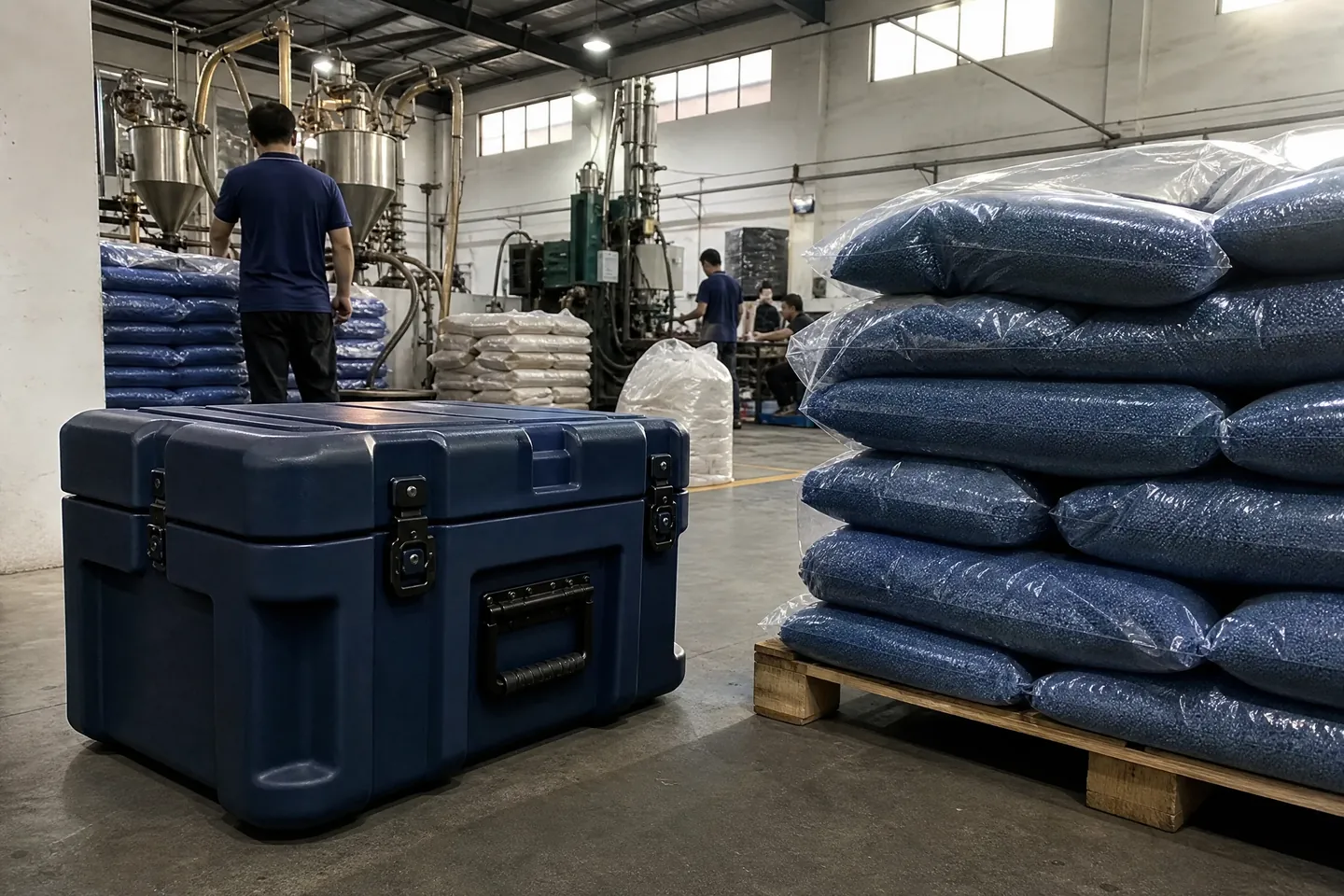
APPLICATION CONTEXT
Whether you are organizing instruments, handling field tools or planning transport, we start with your intended use to help select a suitable case and interior.
Focus: fragile areas, accessory organization and repeated access.
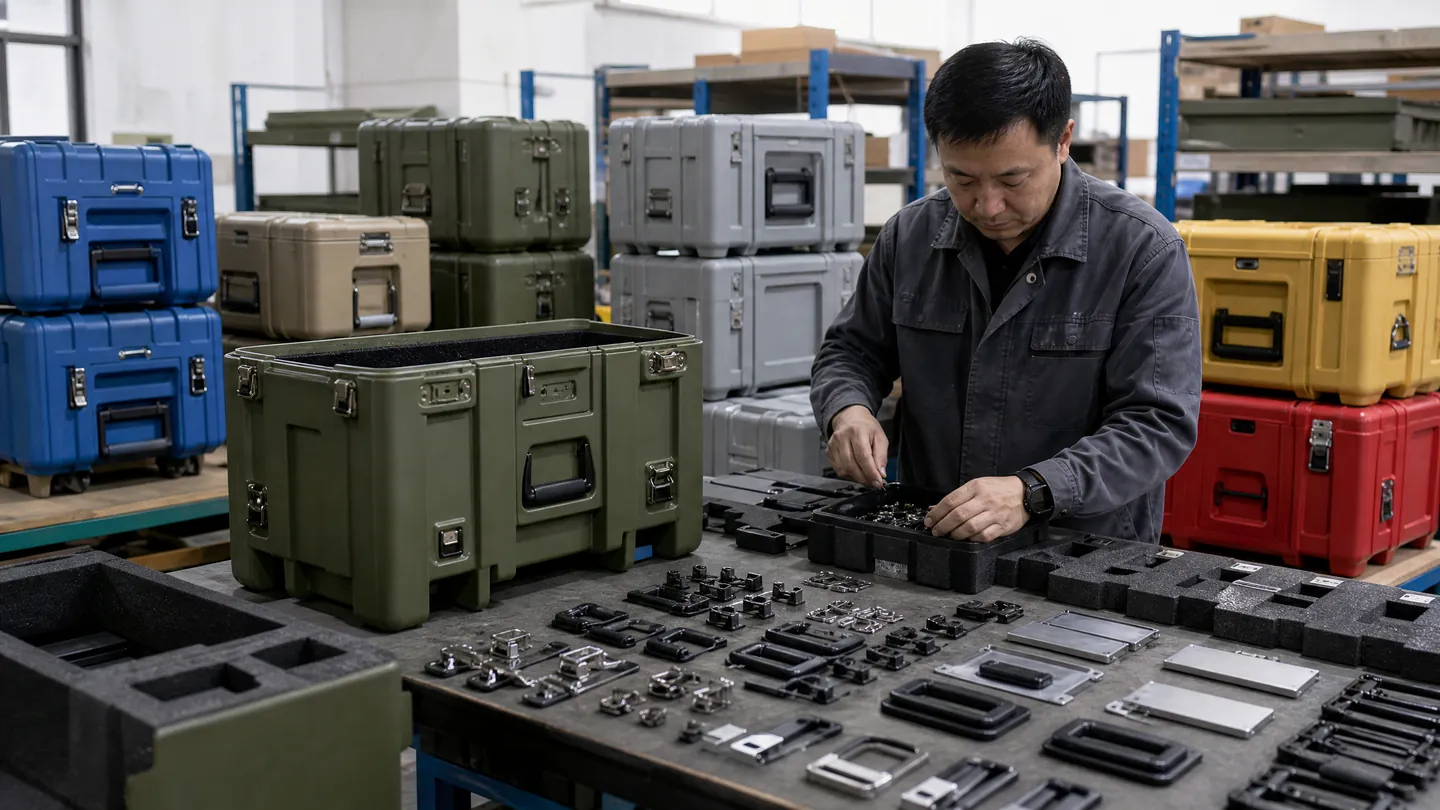
Focus: tool circulation, on-site organization and handling.
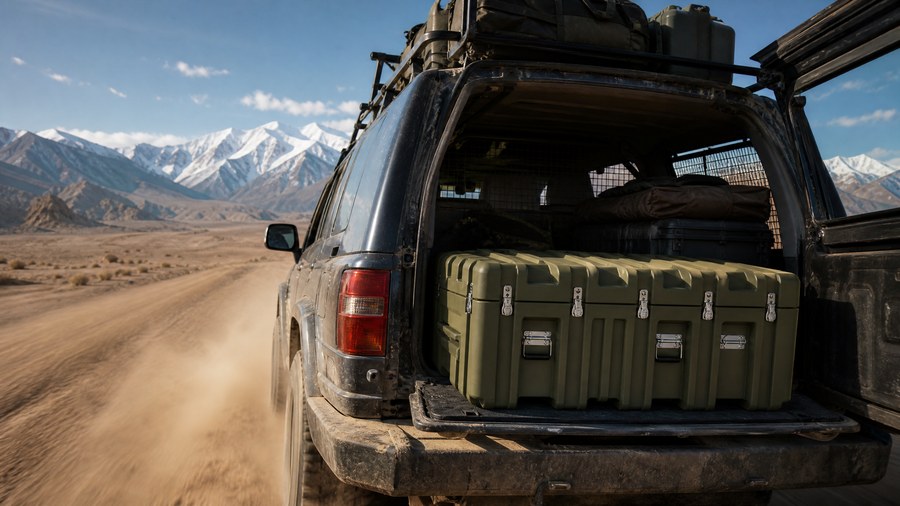
Focus: transfers, readiness on arrival and return circulation.
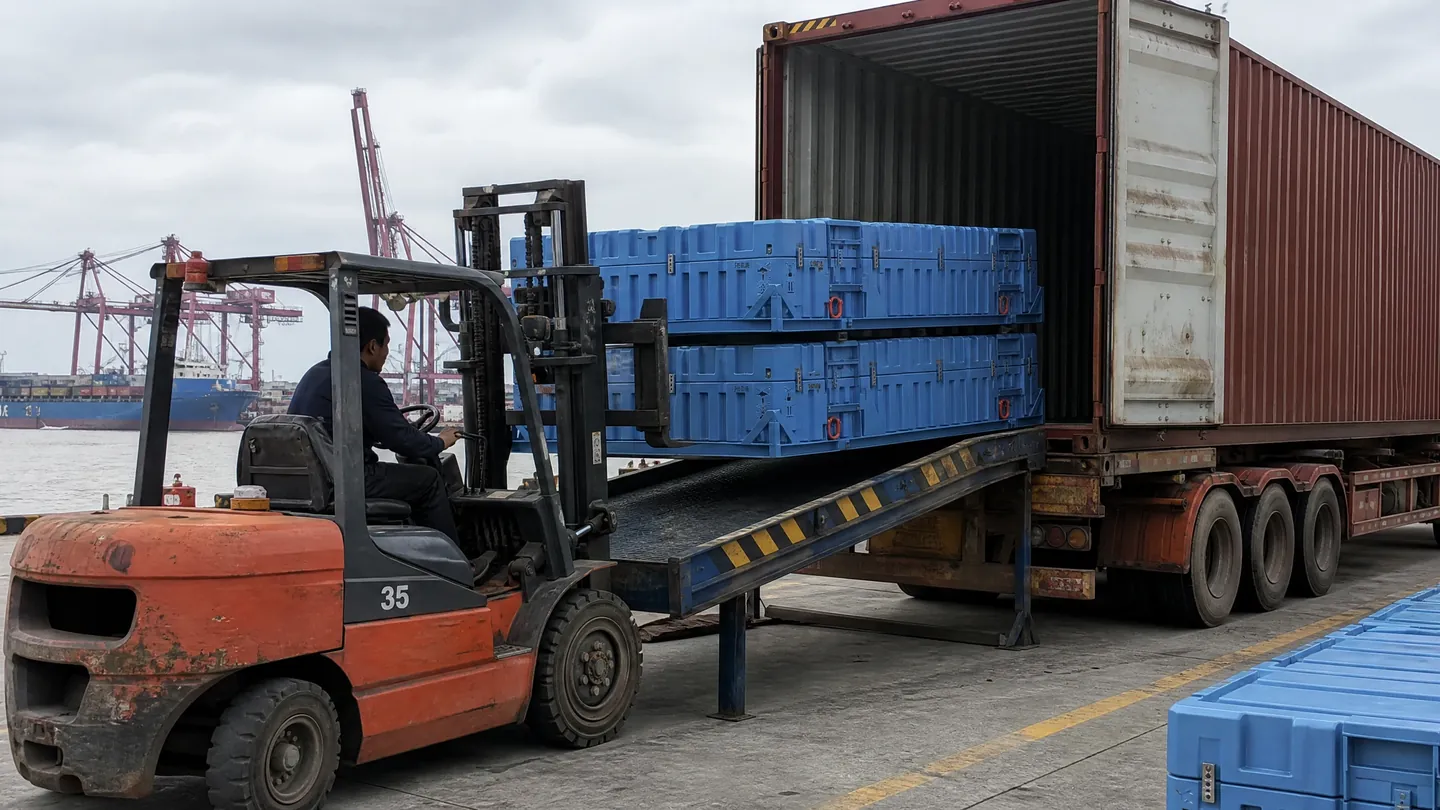
Focus: consistency, configuration versions and complete documents.
SELECTION ROUTE
We help select candidate cases based on equipment dimensions, use patterns and transport requirements, then confirm interiors, configurations and any special requirements.
Using your equipment dimensions, we review candidate cases for usable internal space, loaded weight and access conditions.
Where equipment needs restraint, separation or cushioning, we discuss the layout with you and review interior options with the manufacturer.
Where existing options do not meet your requirements, we review feasibility with the manufacturer before confirming sample and purchasing terms with you.
SHELL & HARDWARE
We review model-specific shell, hardware and construction details to help select a protection solution for your requirements.
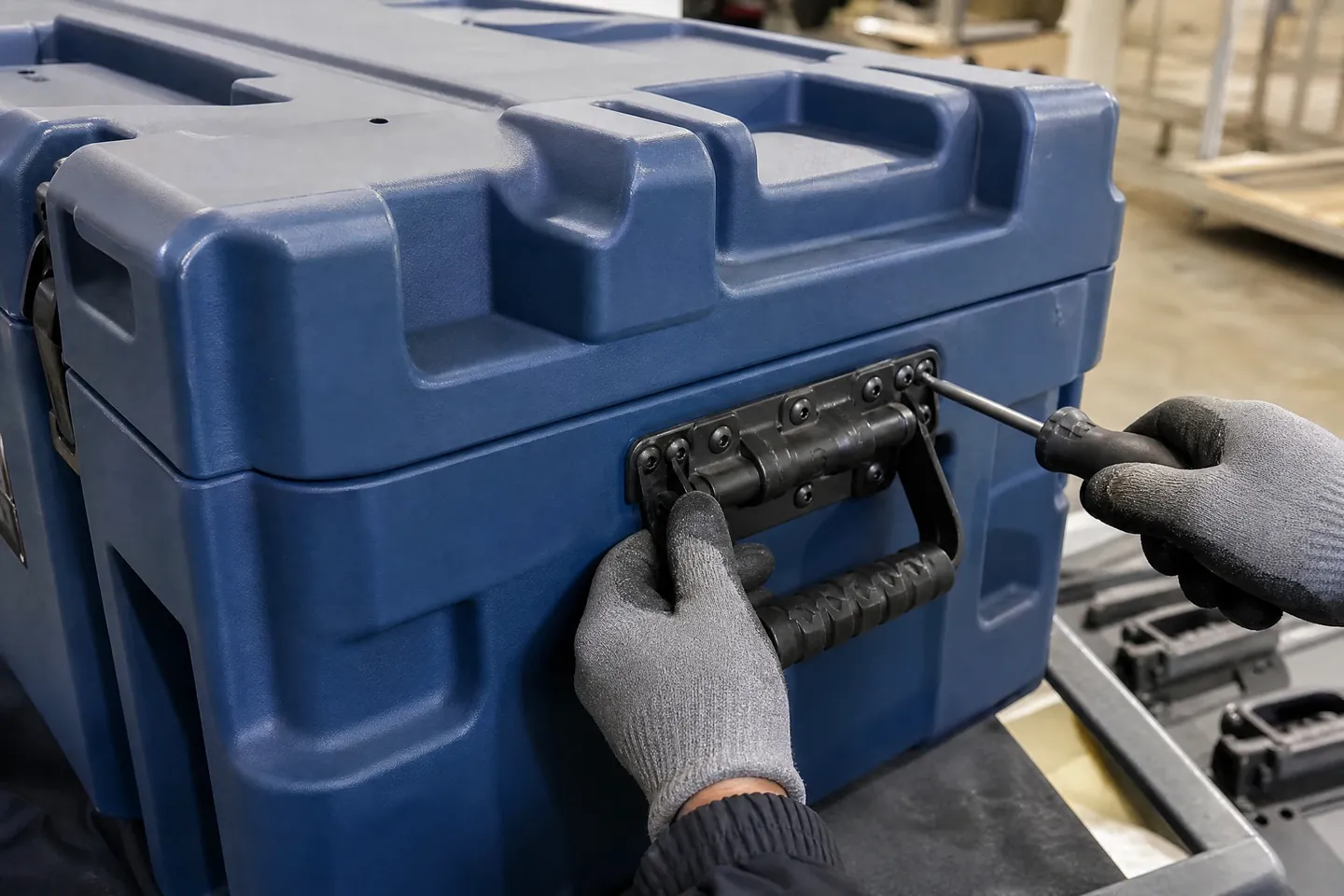
We review material, wall-thickness and construction information with the manufacturer. Load and impact requirements need relevant validation records.
You describe water, dust and access requirements; we review the lid, seals and relevant model documents.
We review component specifications and replacement conditions against your opening frequency, transport and maintenance needs.
You describe loaded weight and handling routes; we review handles, wheels and storage options for the proposed model.
DIMENSIONS & HANDLING
You provide measured equipment dimensions, weight and handling conditions. We review lining, protrusions and access allowance with you, using usable internal space rather than external case dimensions.
| Review item | Information you share | What we review with you |
|---|---|---|
| Equipment envelope | Length × width × height, weight, center of gravity and protrusions | Check occupied space against measured dimensions or drawings, including handles, connectors and mounts. |
| Usable internal space | Lining, accessories, cables and retrieval allowance | Confirm usable dimensions and lid space; do not substitute external case dimensions. |
| Placement & restraint | Position, contact surfaces and permitted load-bearing areas | Identify areas that must not carry pressure; review looseness and interference with a configured sample. |
| Handling & loading | Total loaded weight, people, routes and vehicles | Confirm manual or assisted handling and check access routes and vehicle space. |
| Environment or risk | Your operating conditions | Documents we review together |
|---|---|---|
| Water & dust | Exposure pattern, storage location and expected protection | Documentation, test conditions and scope for the specific model and configuration |
| Transport impact & vibration | Transport modes, transfer stages and fragile equipment areas | Loaded configuration, test method and results; an empty-case review alone is insufficient |
| Temperature & contact environment | Use and storage conditions and possible contact substances | Suitability information for shell, seals and lining; a separate assessment where needed |
| Special applications | Actual electrical, temperature-controlled, medical or controlled-use requirements | Review application and compliance first; a general case is not automatically a compliant specialist product |
Ratings and test results must match the specific model, load and configuration.
INTERIOR SOLUTIONS
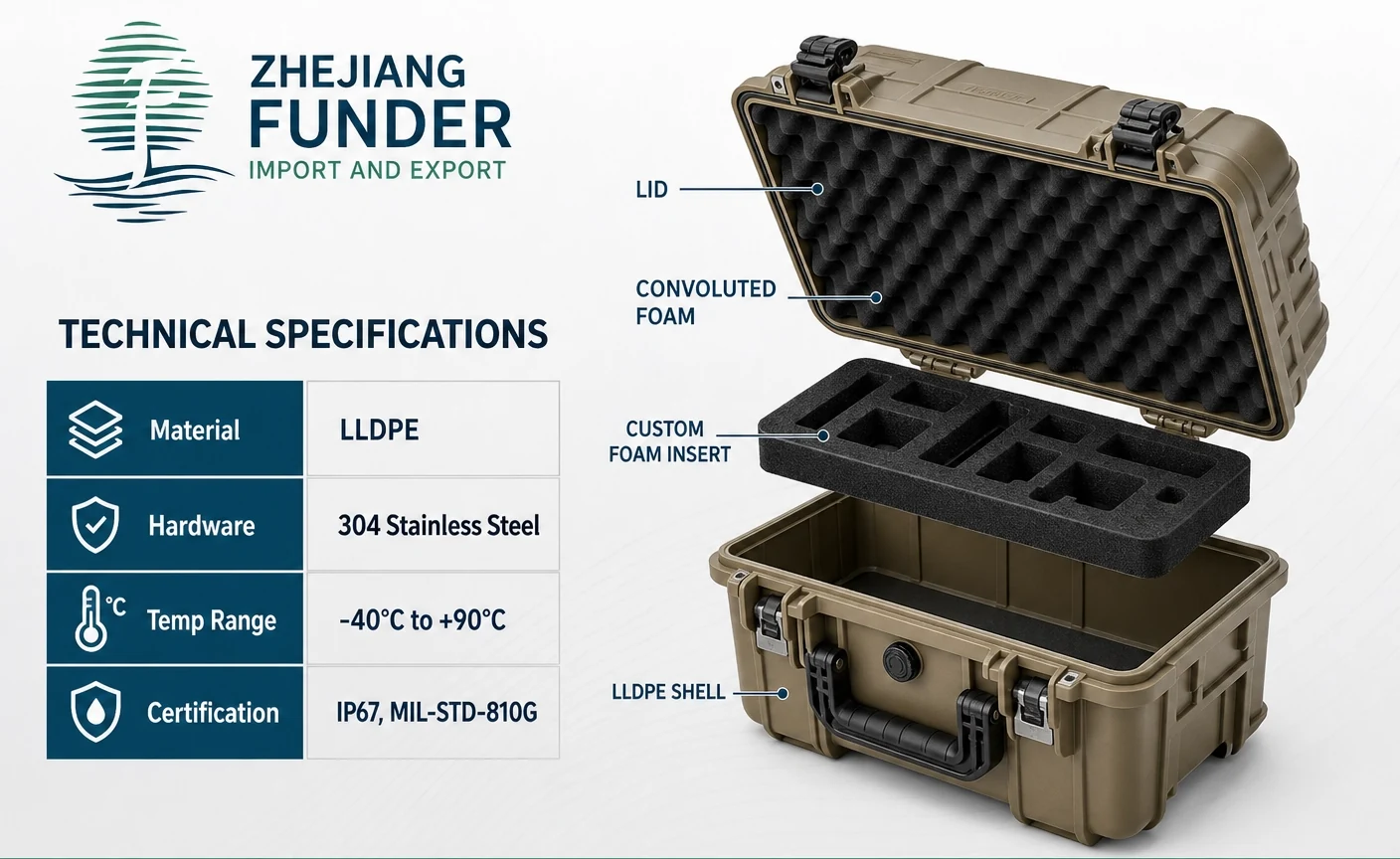
You share equipment, accessories and access patterns. We discuss fit, compartments and restraint with you, then review feasible interior options.
A discussion route for locating and cushioning a defined equipment shape.
A discussion route for tools, accessories, cables and multiple items.
A discussion route where additional positioning or mounting interfaces are needed.
WORK WITH FUNDER
Equipment dimensions, weight, intended use and quantity. We agree the information needed for selection.
We coordinate case and interior options; together we review layout, fit and any necessary tests.
Lock the version, acceptance checklist and quantity. Itemize case, interior, sample, packaging and freight costs.
Confirm documents, destination and trade terms, then coordinate packing, shipment and receipt feedback.
DOCUMENTS & RFQ
Browse the catalog or share your equipment and project needs directly. We use this information to review candidate models, configurations and documents; availability is confirmed for each project.
BUYER QUESTIONS
These are common questions when starting a purchasing discussion with Funder. We review the solution for your equipment and project rather than treating general guidance as a specific confirmation.
No. Send us equipment dimensions, weight, photos, application conditions and quantity. We then review candidate models and configurations with you.
No. Review fragile areas, placement, restraint, lining information and transport conditions as a loaded solution.
Yes. Share your layout requirements and equipment drawings. We review feasibility with the manufacturer, then confirm construction, sample and purchasing terms with you.
Request documentation for the proposed model and configuration. Check methods, conditions and scope. One model's documentation does not cover every product.
Equipment fit, closure, access, accessory organization, restraint and handling. Agree necessary tests and acceptance criteria before batch purchasing.
Equipment details, interior layout, operating and transport conditions, quantity, destination, packaging and documents. Include drawings, photos or a description of current issues where available.
Share your equipment and purchasing needs with Funder. We work with you to confirm models, samples, configurations and delivery terms.