
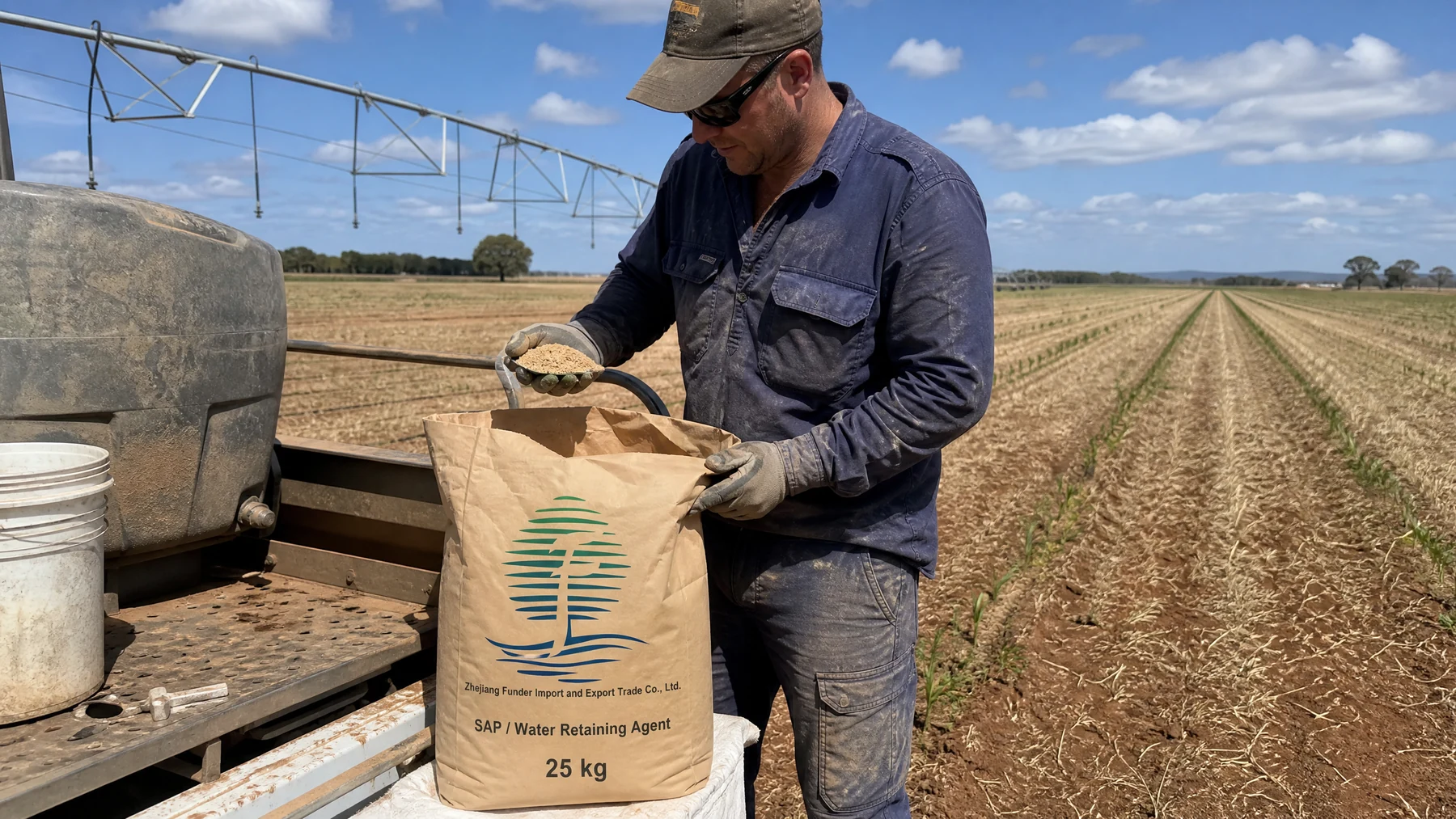
01 | You describe the growing contextCrop, area, growing medium and water source
AGRICULTURE · WATER MANAGEMENT
Tell us about crops, growing medium and irrigation. We review SAP model information, particle-size options and application conditions with you, then discuss samples, purchasing and logistics.
A CLEAR PATH / 01
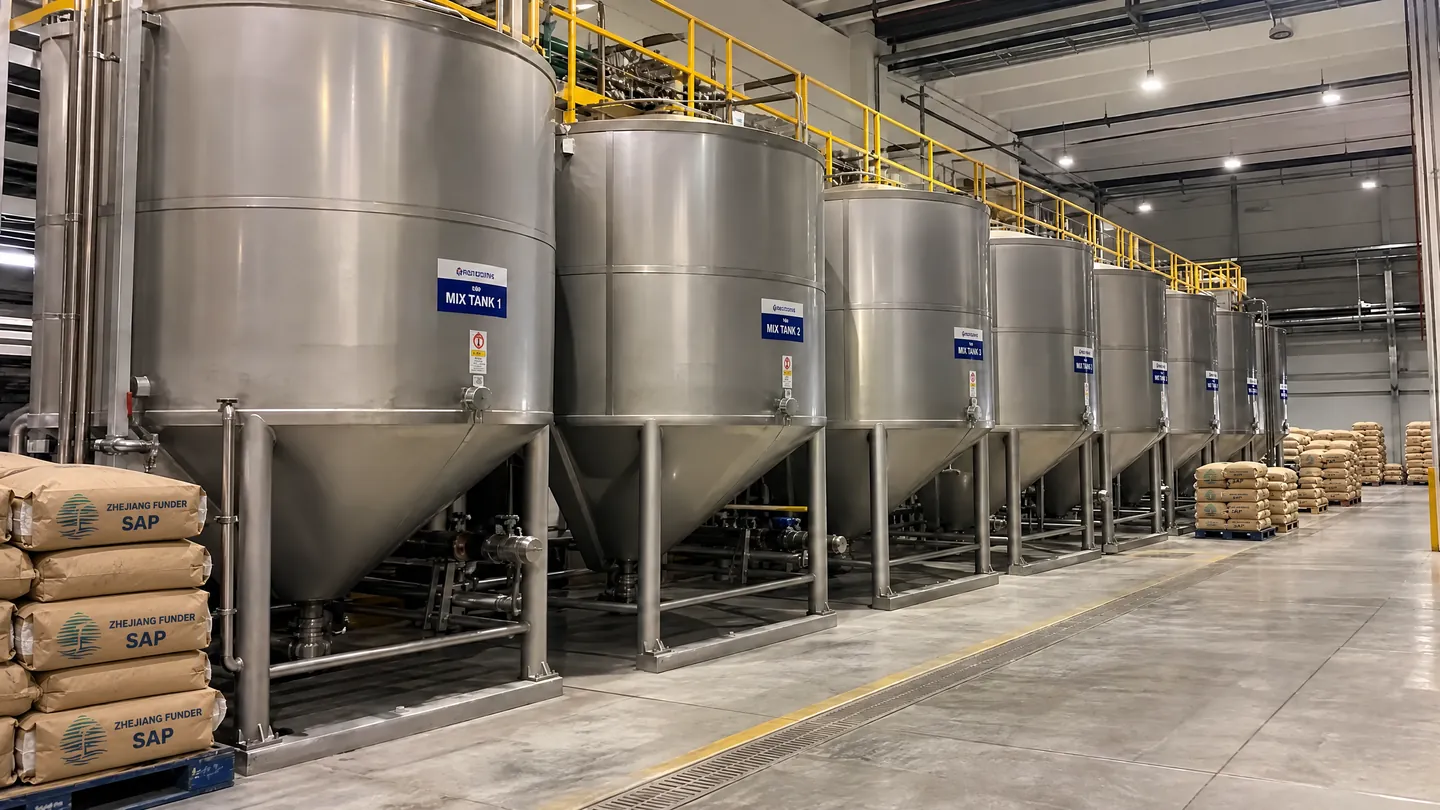
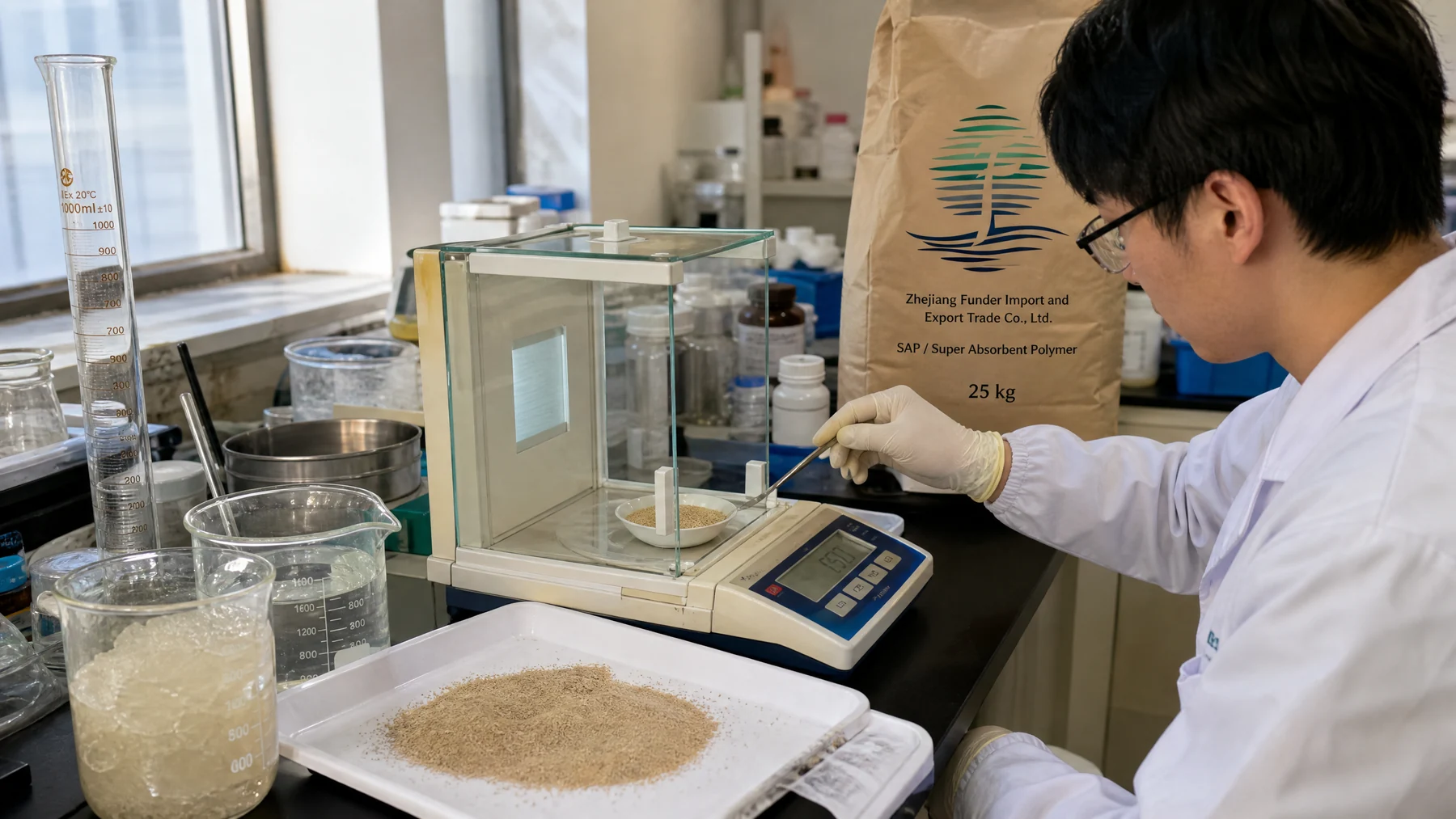
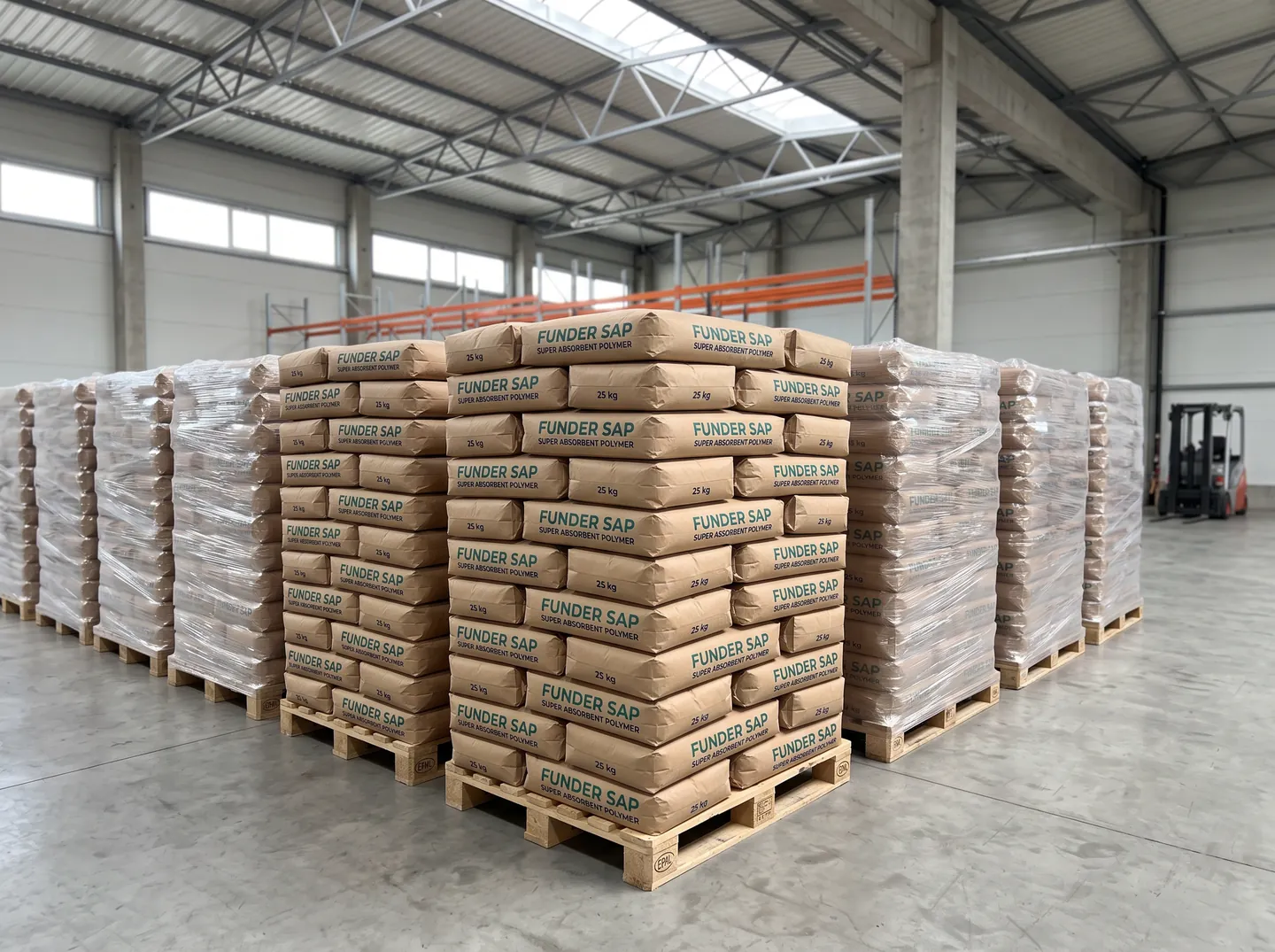
Product and supply workflow illustrations. Models, packaging and delivery arrangements are confirmed for each order.
FIELD SCENARIOS / 02
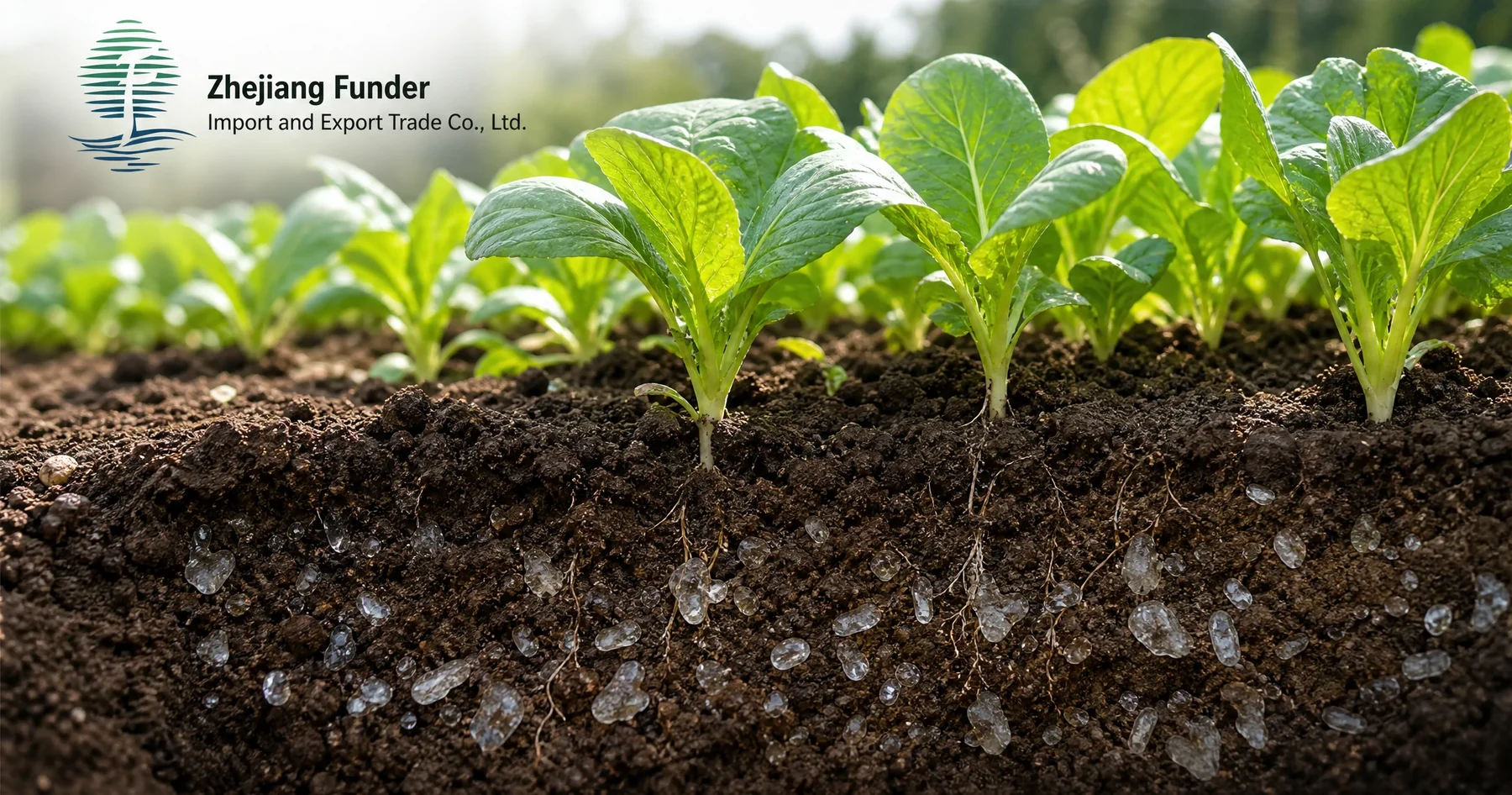
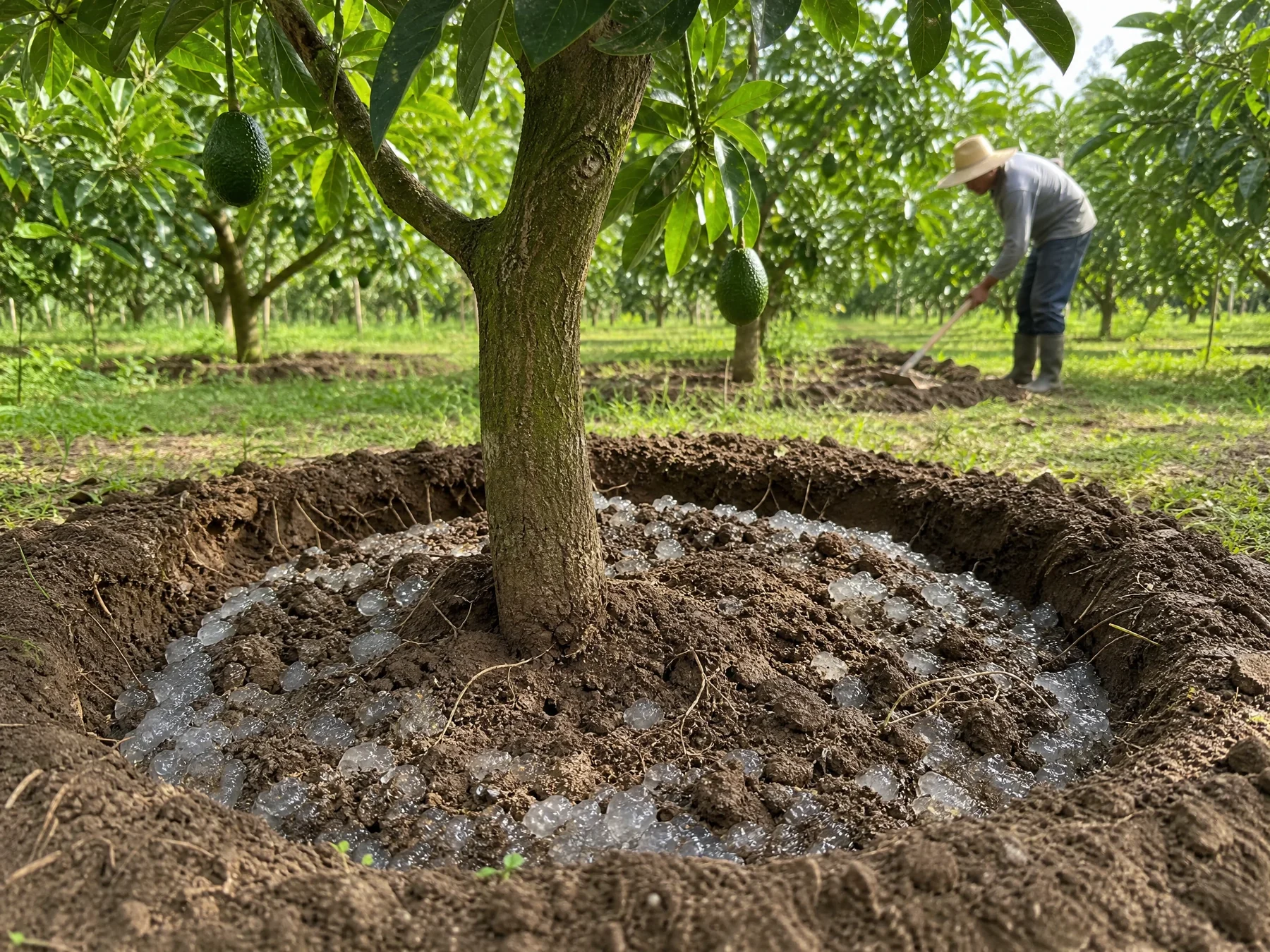
Use crop, growth stage, growing medium and water management information to decide whether further assessment is appropriate.
PRODUCT GRADES / 03
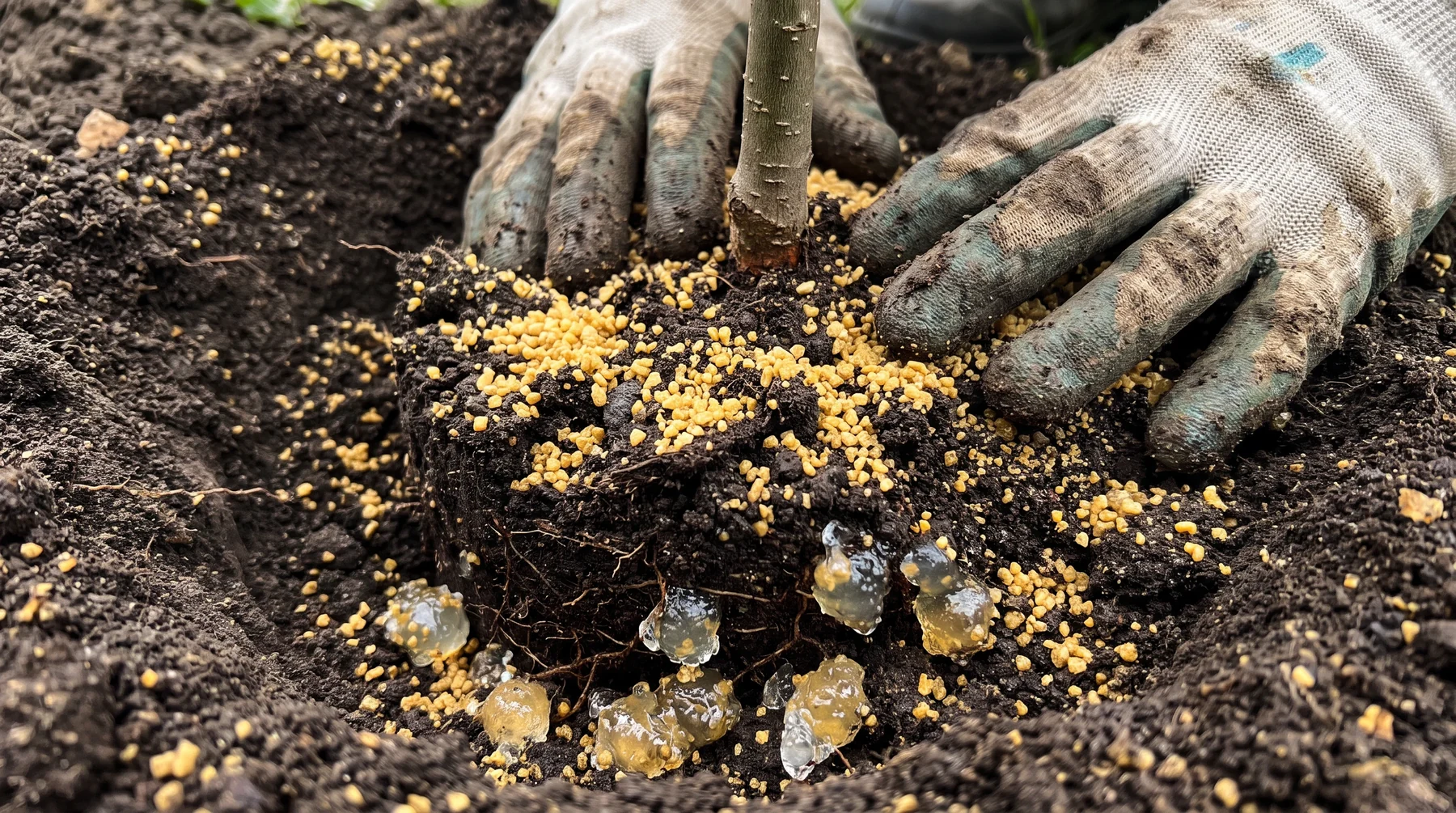
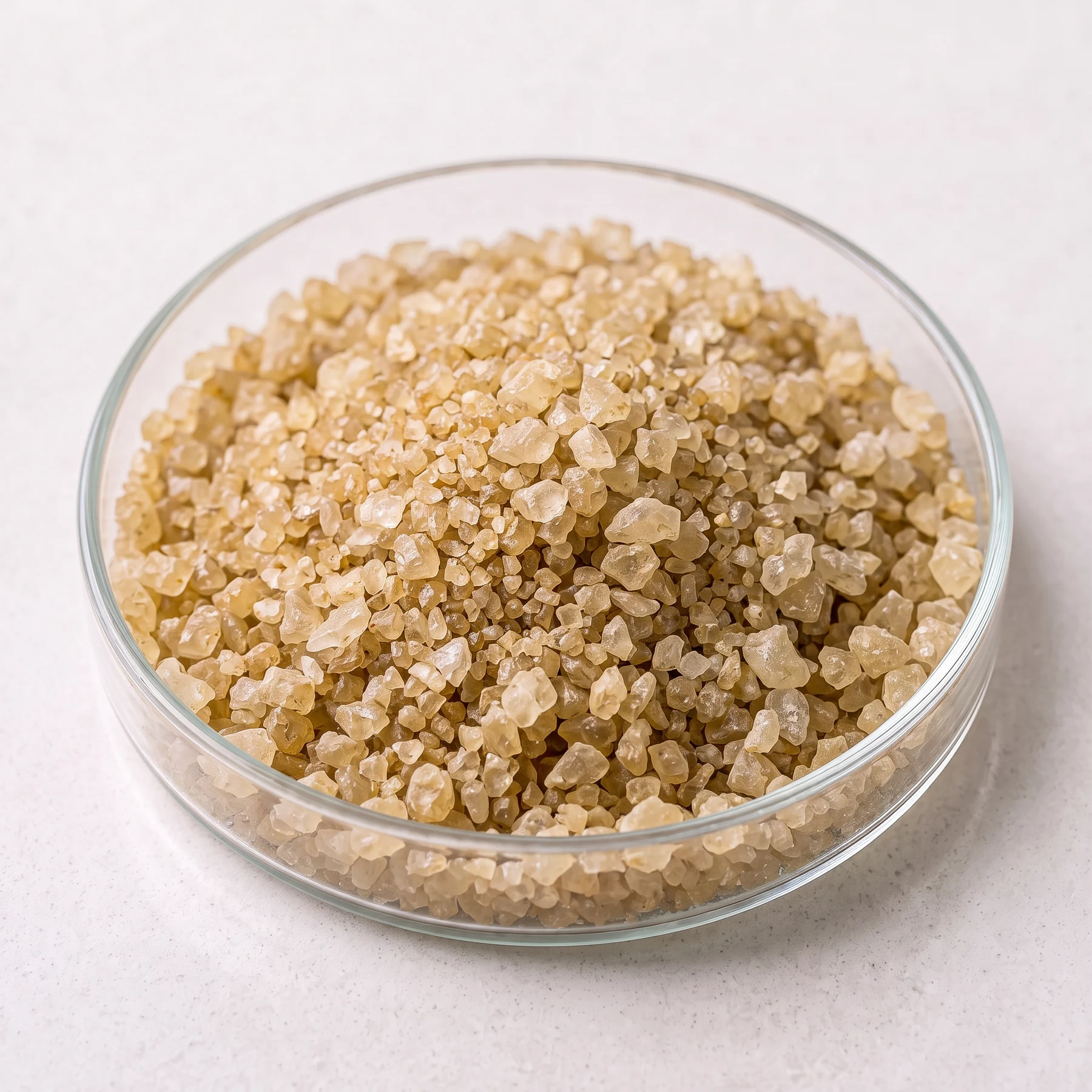
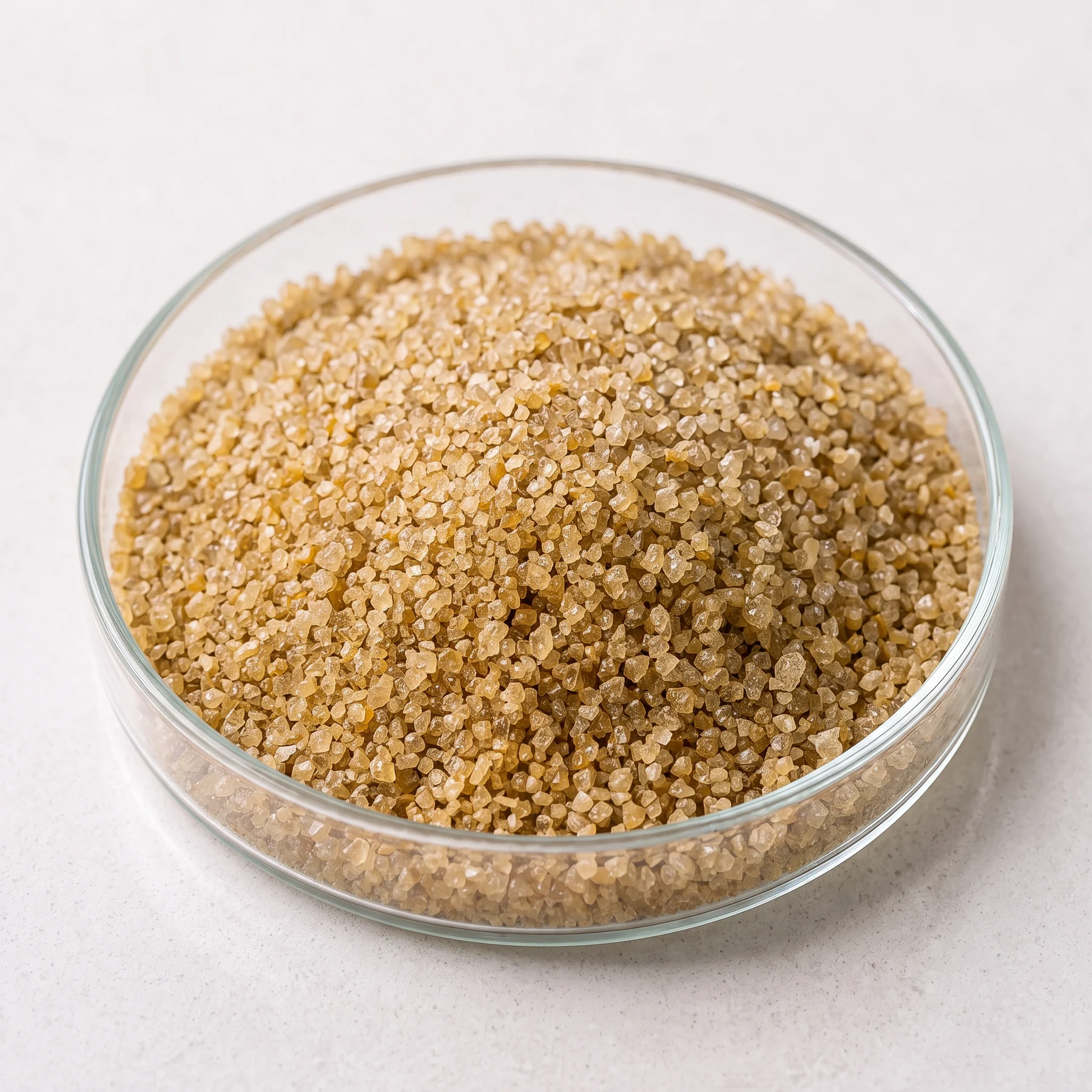
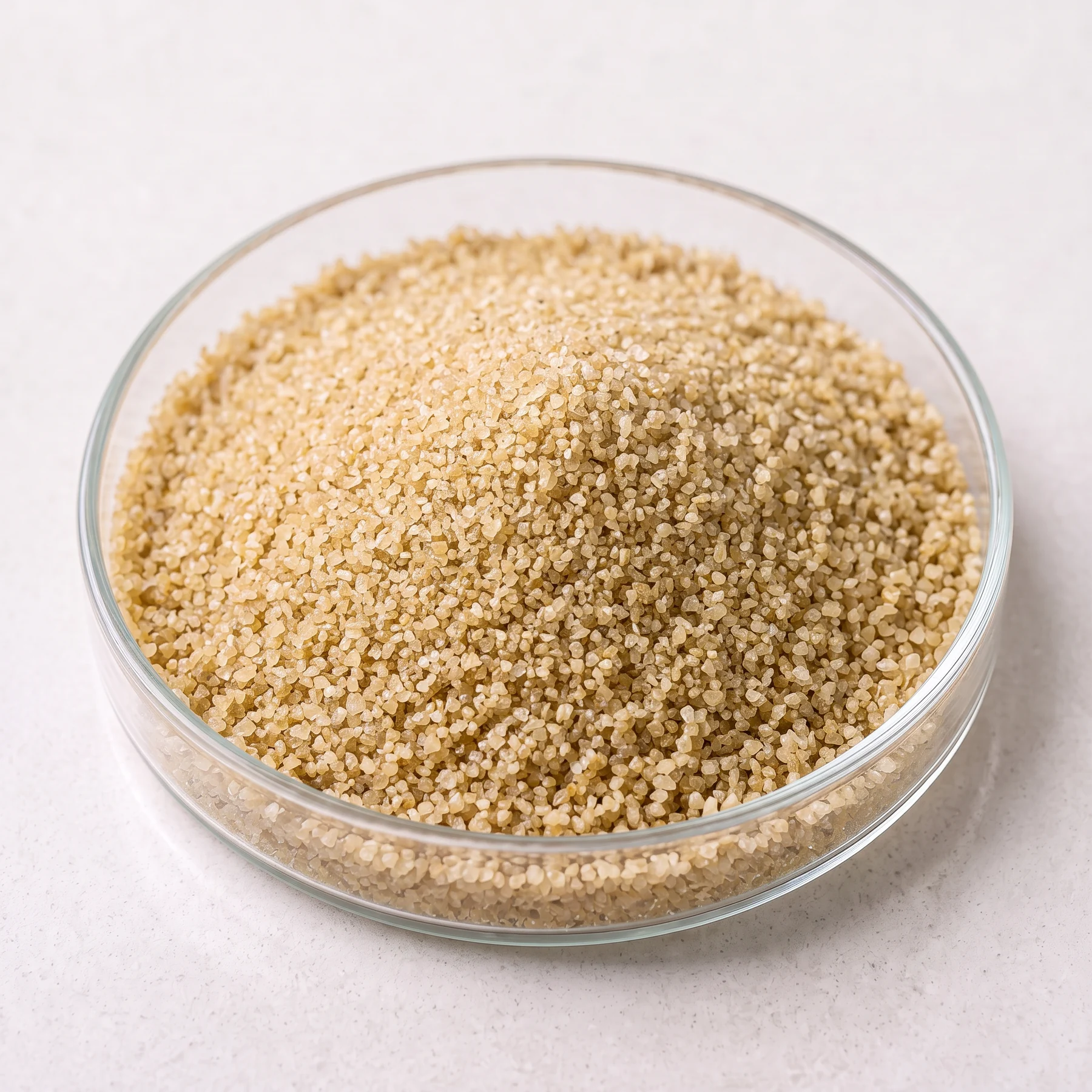
Three sample appearance categories. Actual particle-size distribution follows the specifications for the model and batch.
01 / COARSE
Larger particles
Illustrative appearance is approximately 1.5–2 times the medium sample size. Confirm actual distribution for the relevant model and batch.
02 / MEDIUM
Mid-size particles
Between fine and coarse samples. Confirm actual particle distribution against model and batch records.
03 / FINE
Fine powder-like appearance
Typically the higher-priced discussion category. Confirm pricing for the model and order conditions.
Particle-size images are appearance references; formal specifications follow the relevant model and batch. Select a suitable category for the crop, growing medium, water quality and application method.
Consider crops, area, growing medium, water quality, application method and purchasing logistics together. Assess material, application, irrigation, labor and transport inputs against water and nutrient management goals, seeking a practical and appropriate solution.
WATER ABSORPTION / 04
On contact with water, hydrophilic groups take up moisture and the crosslinked network expands into a hydrated gel. Absorption and release depend on the formulation, water quality, salinity, growing medium and test conditions.
The diagram explains the general water absorption and release mechanism of SAP. Background research: Scientific Reports and Agronomy
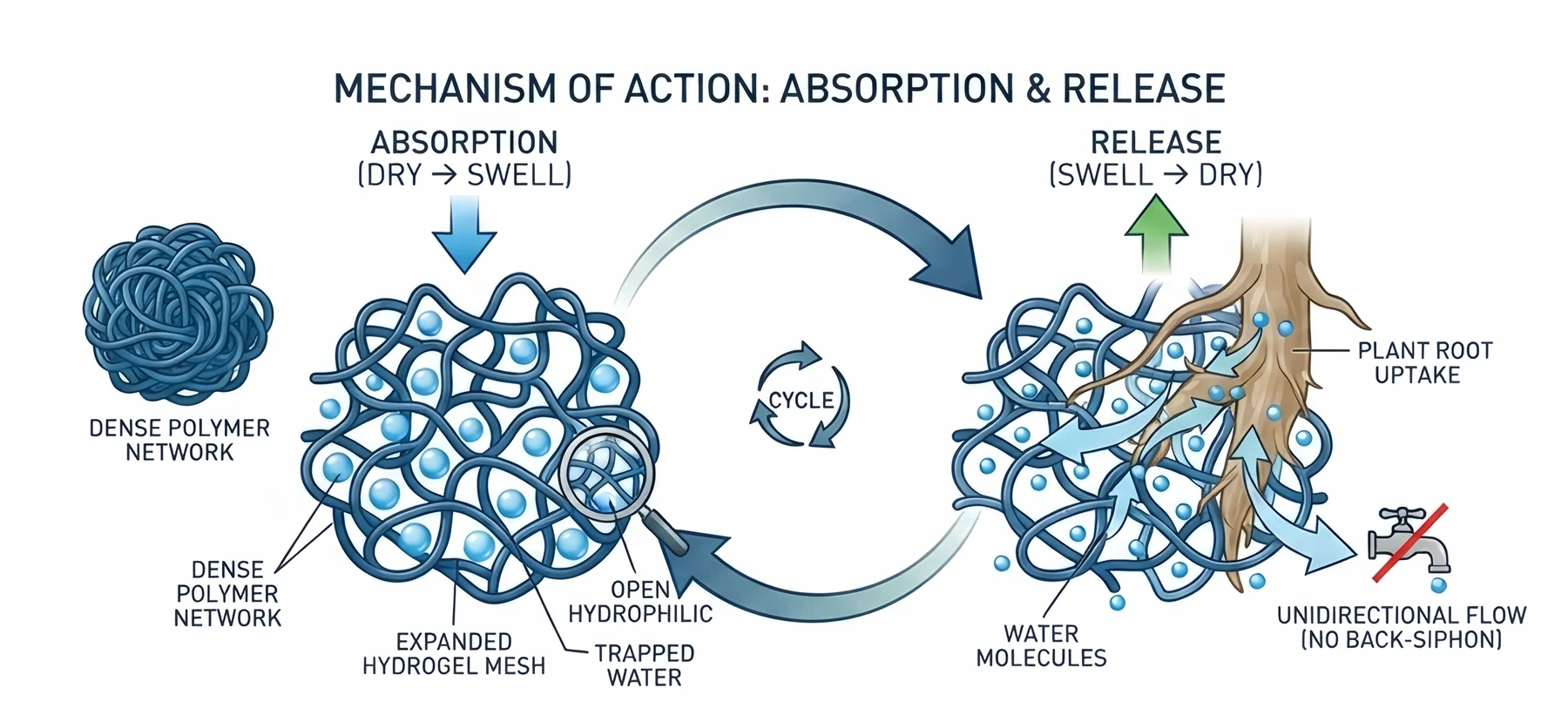
Reference diagram. For application rates and specifications, please refer to the relevant product instructions.
ROOT-ZONE WATER EXCHANGE
Swelling is only the starting point. Water exchange between gel, soil pore water and roots depends on water potential, salinity, soil conditions and formulation. Assess absorption, release and the actual root-zone environment together.
Review application conditions →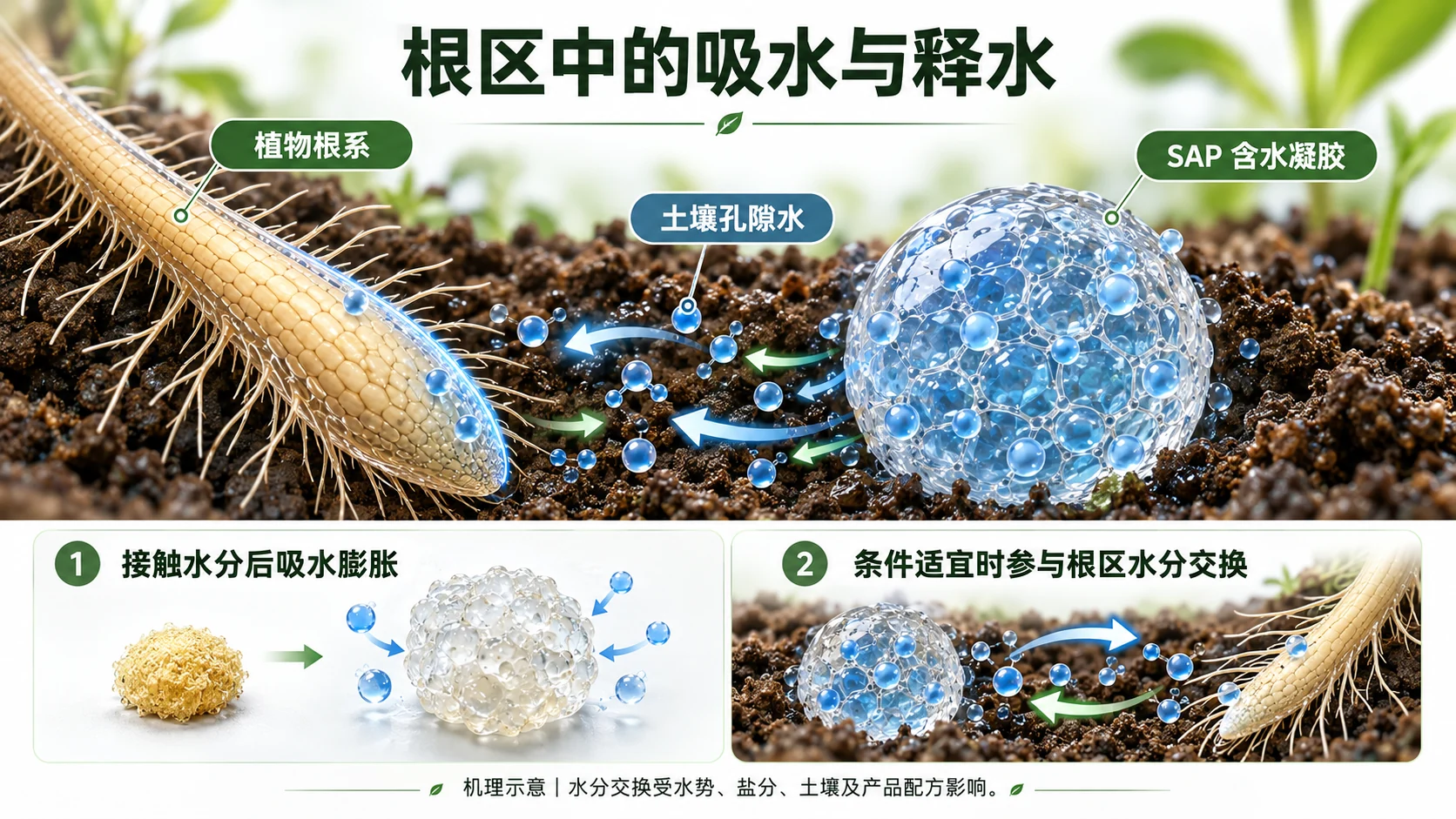
Reference diagram with Chinese labels; an English explanation is provided below.
PRODUCT IN USE / 05
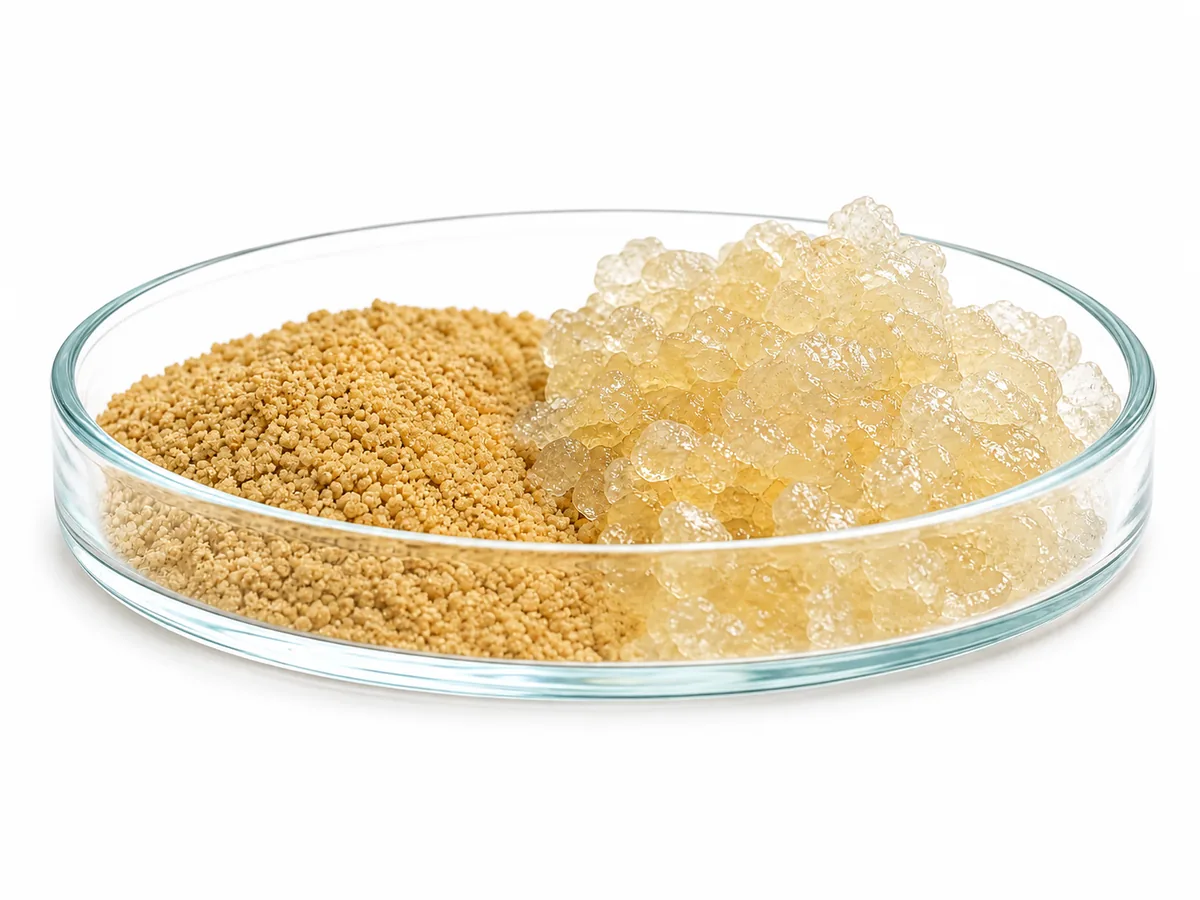
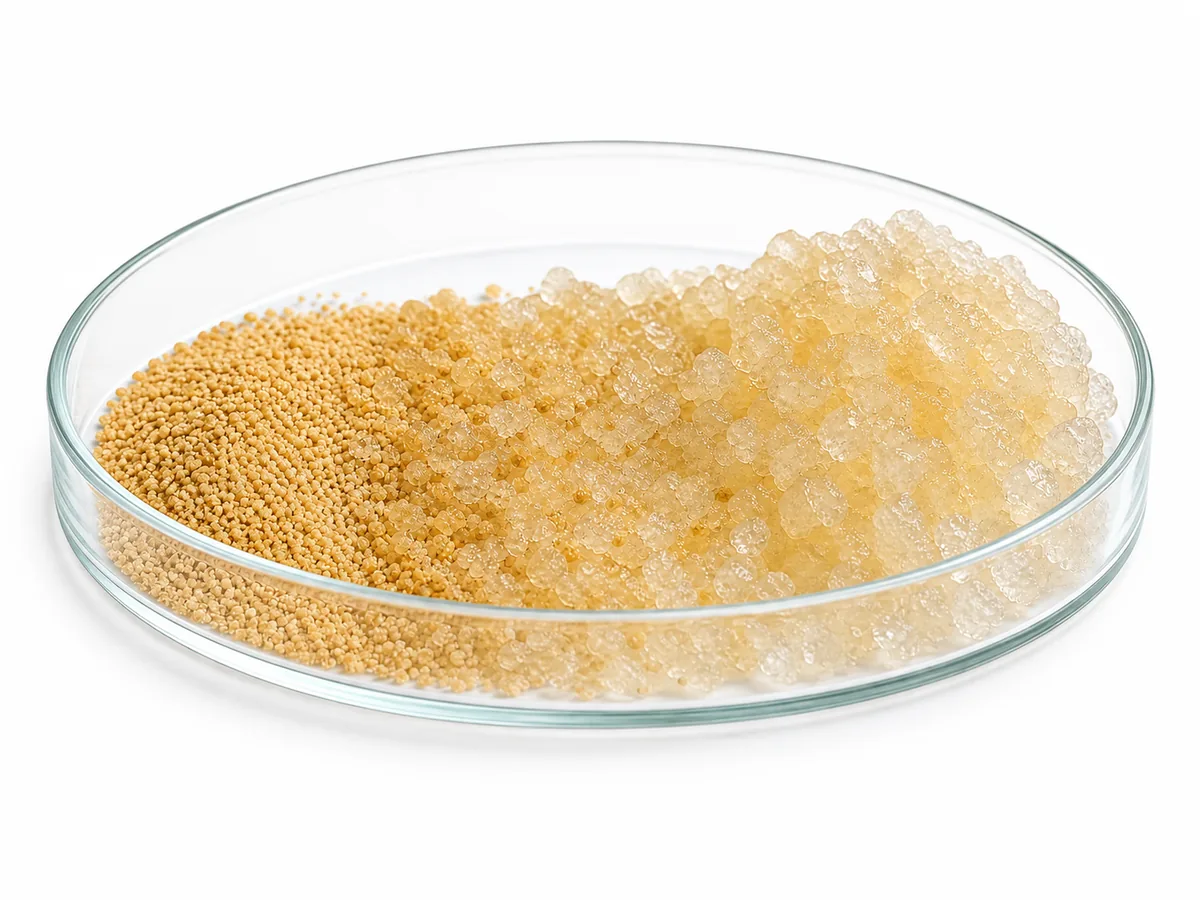
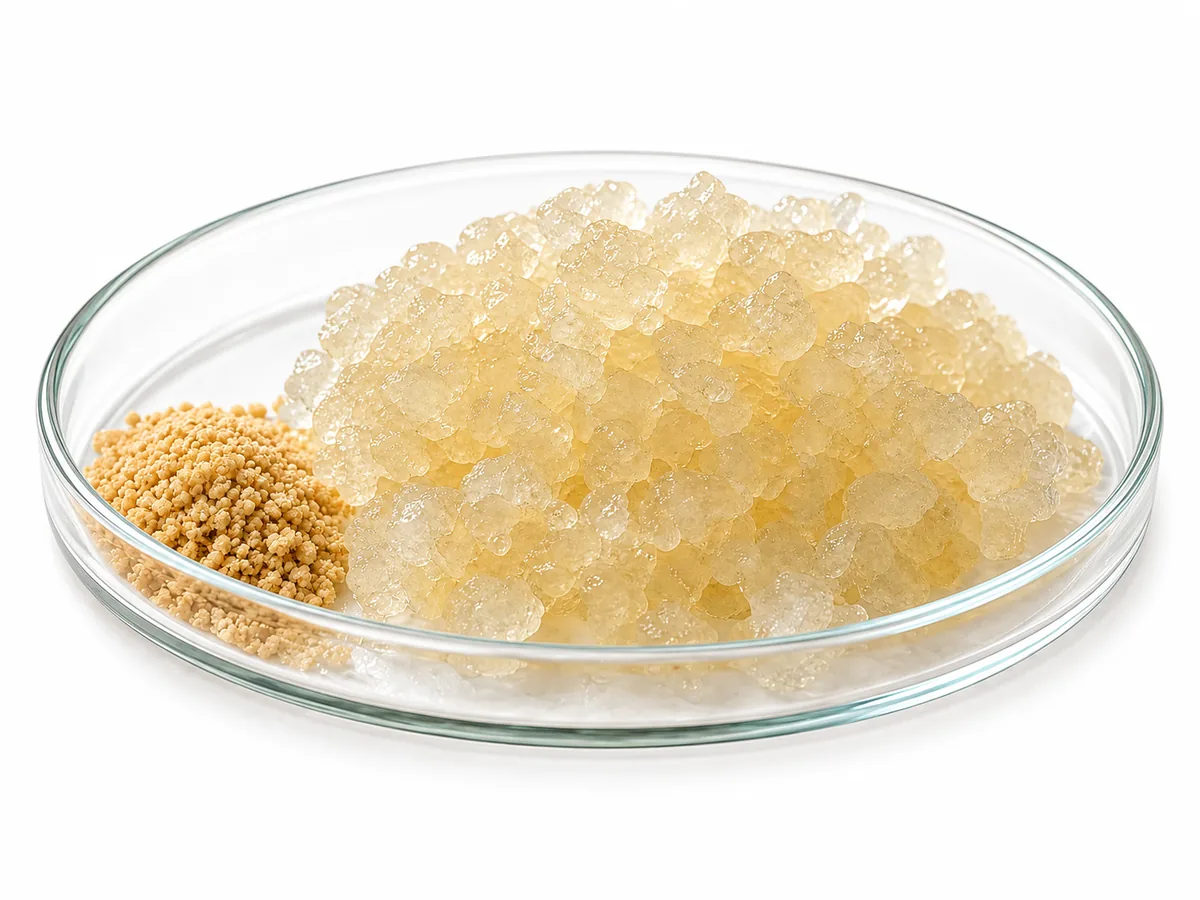
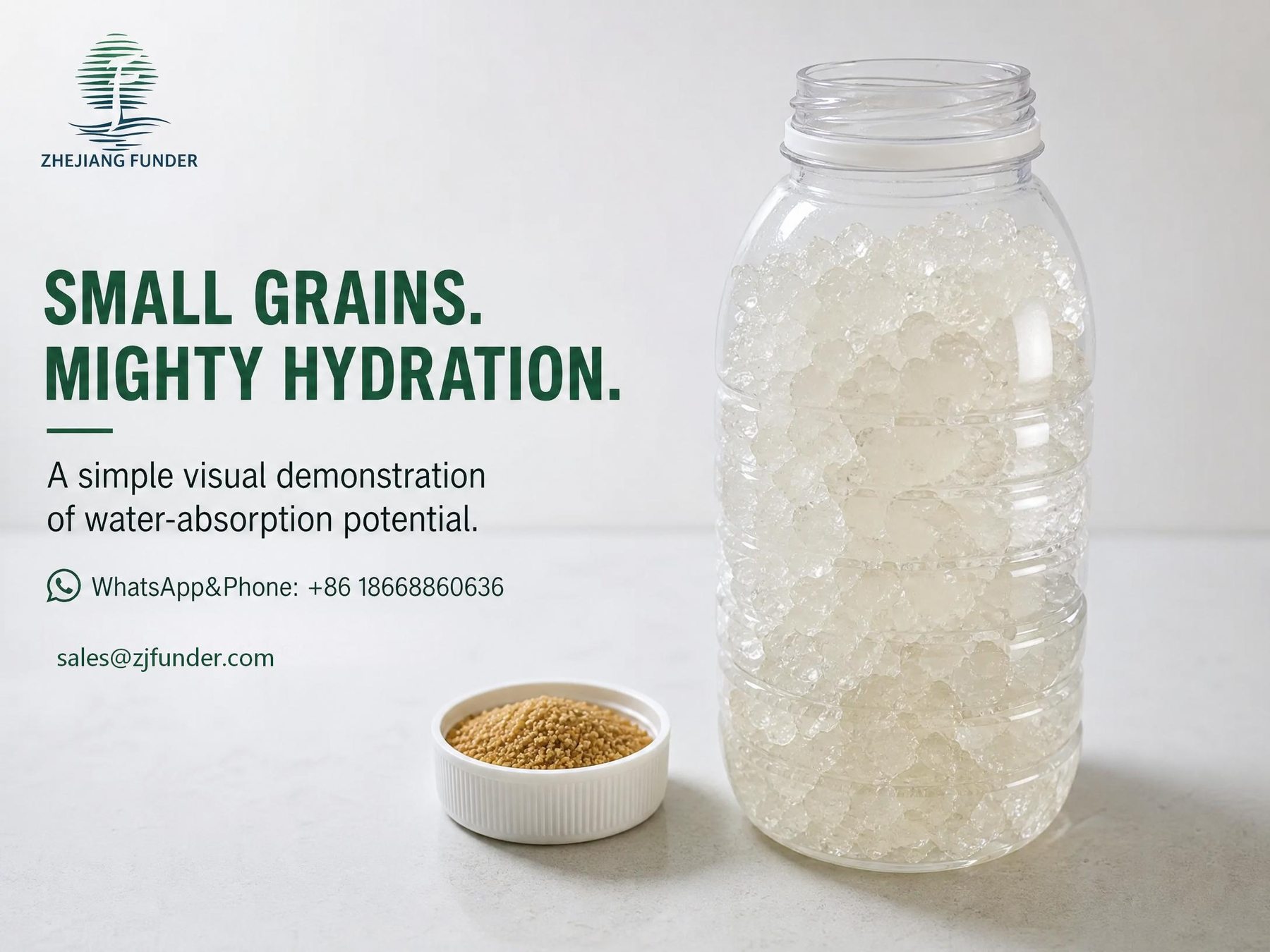
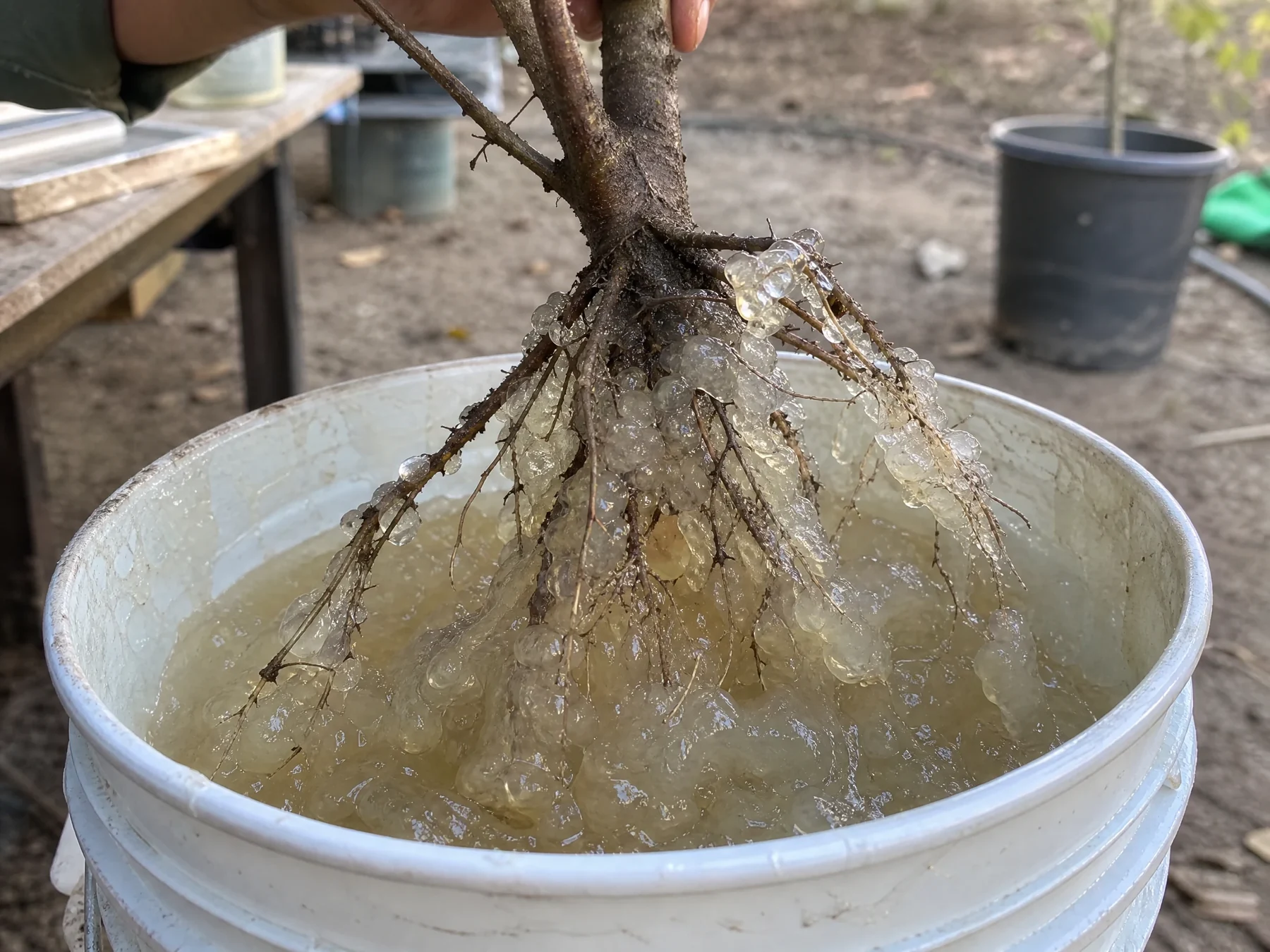
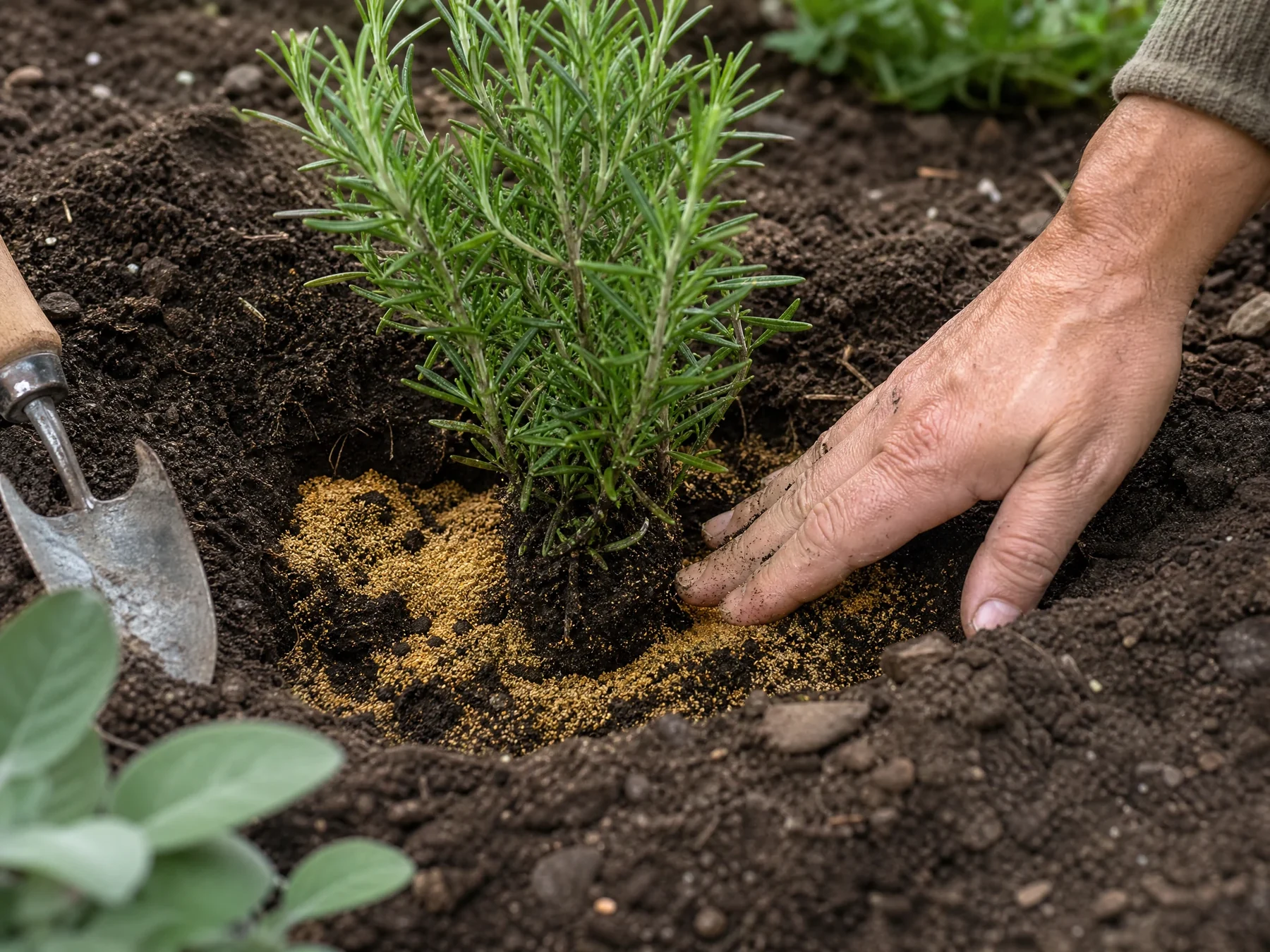
Explore the change from dry granules to gel, then review possible root-zone handling and application methods. Follow model-specific instructions and project conditions.
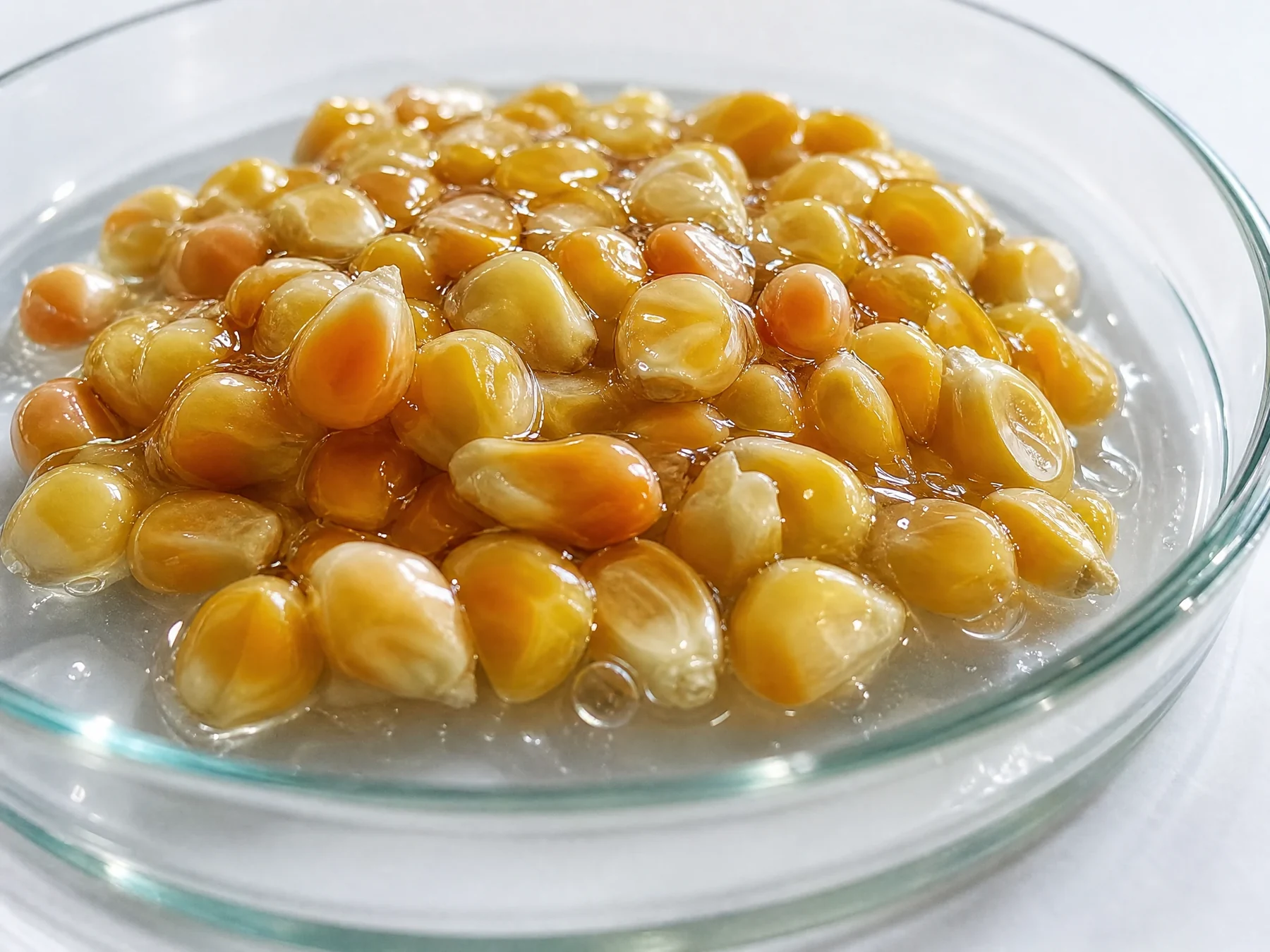
A CLASSIC DEMONSTRATION
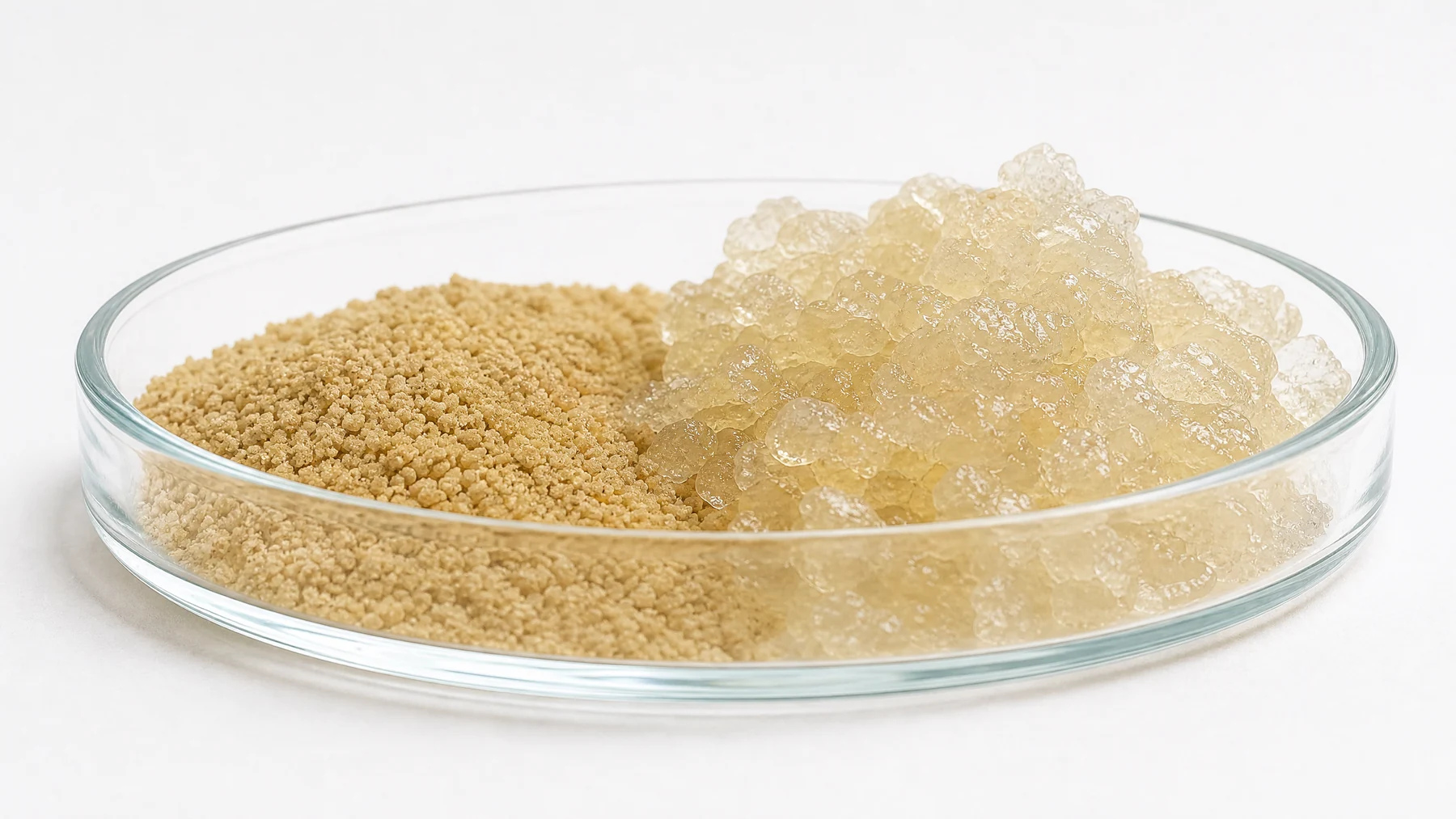
Dry granules and hydrated gel show the change in SAP appearance. Absorption behavior varies with formulation, water quality and application conditions.
Discuss an SAP application →APPLICATION GUIDE
Field crops and tree transplanting involve different placement, depth and operations. Define the crop, growth stage and site conditions, then review model-specific instructions.
Any dosage or depth in a reference image is not a Funder product recommendation. Confirm instructions for the model, crop and local conditions before use.
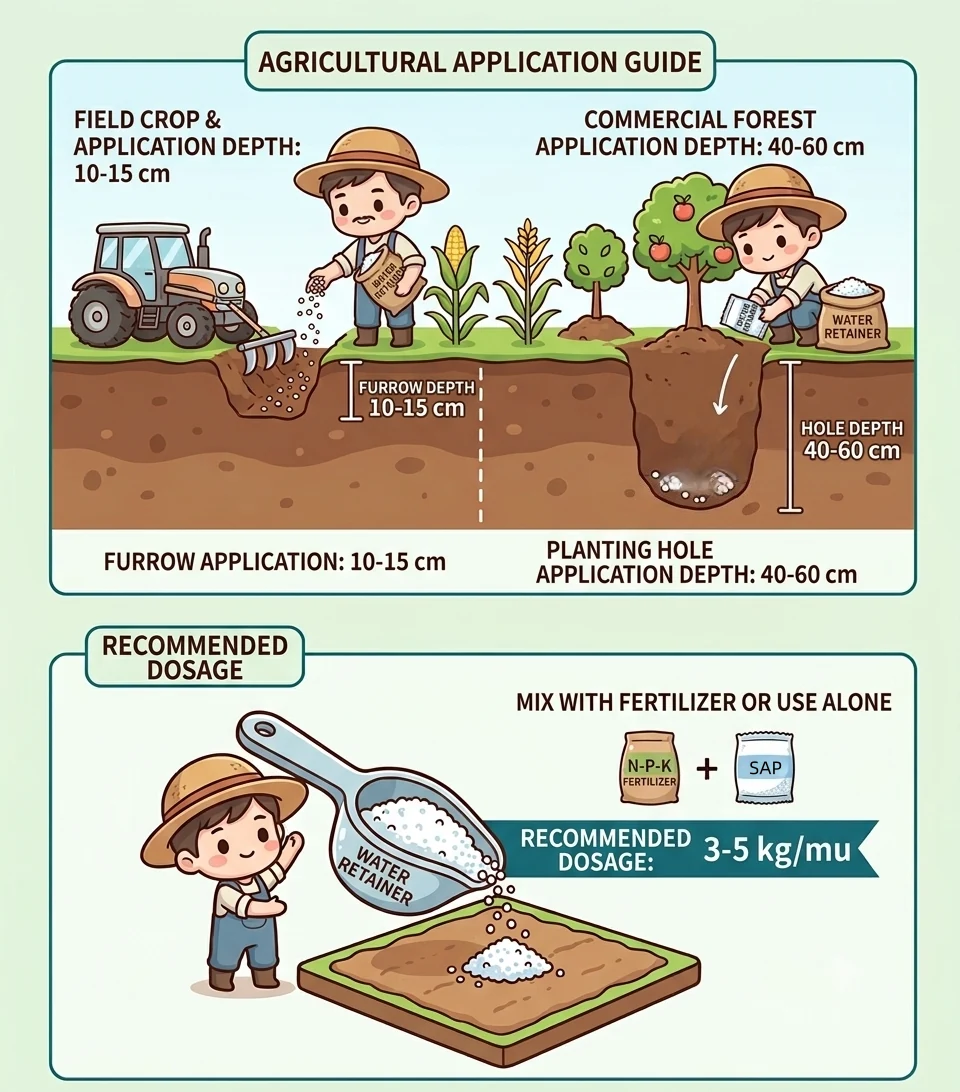
Reference diagram. For application rates and specifications, please refer to the relevant product instructions.
MATERIAL & STRUCTURE / 06
Structure diagrams explain general composition and porosity. Product-specific ingredients, proportions and functions require formulation and test records.
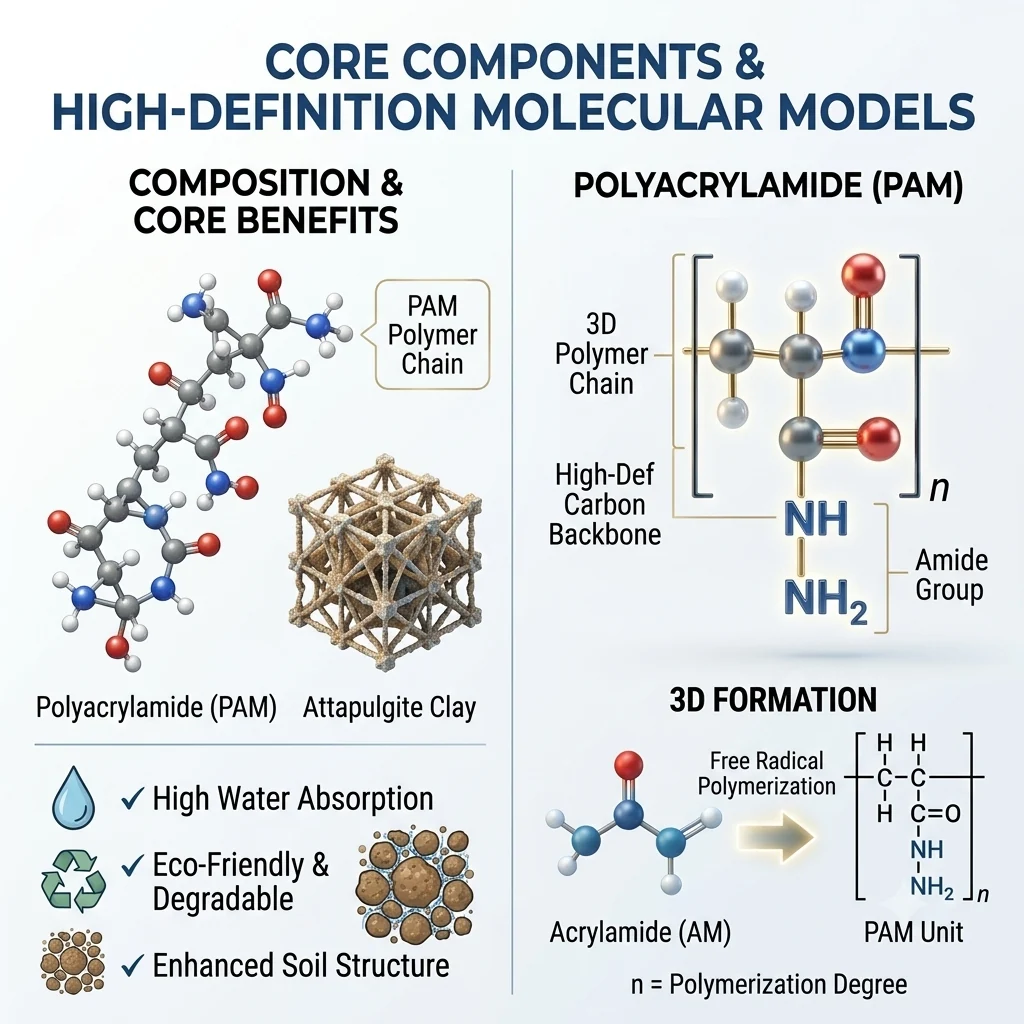
Reference diagram. For application rates and specifications, please refer to the relevant product instructions.
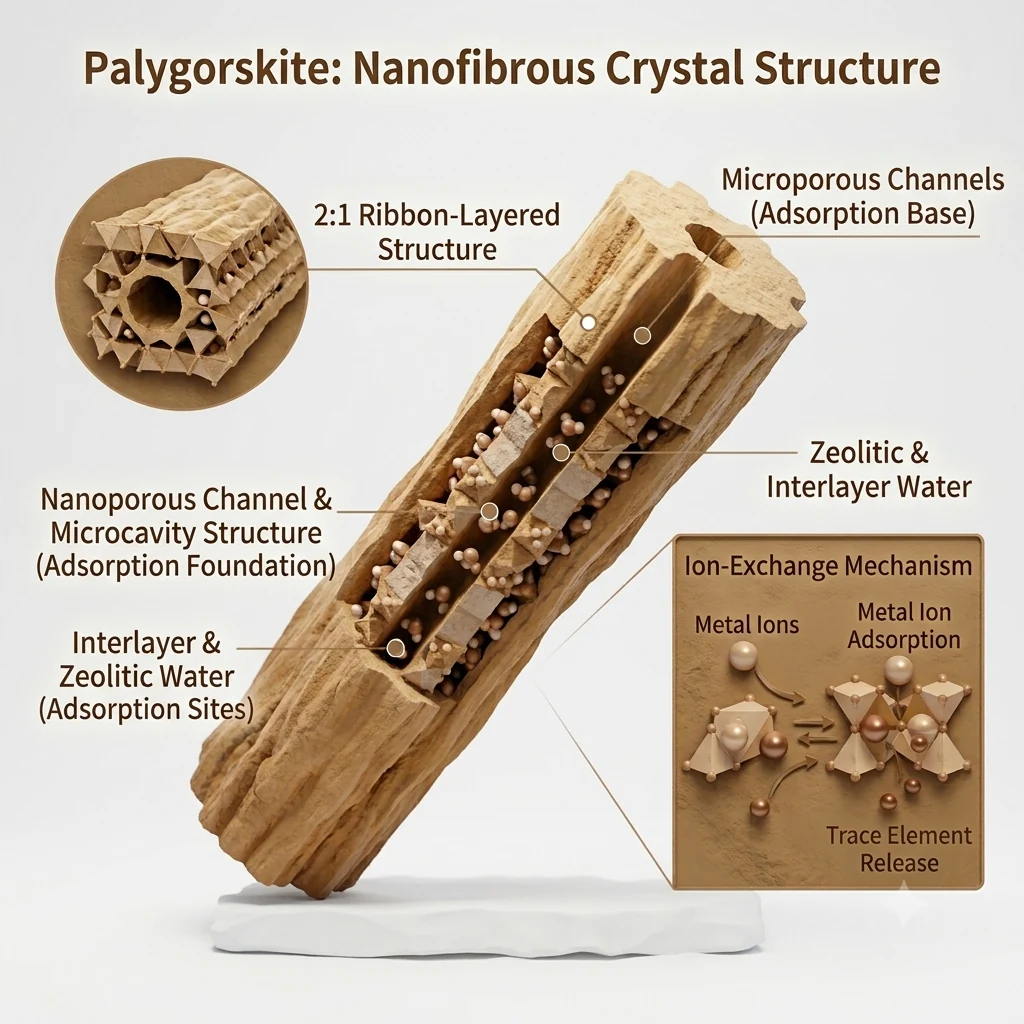
Reference diagram. For application rates and specifications, please refer to the relevant product instructions.
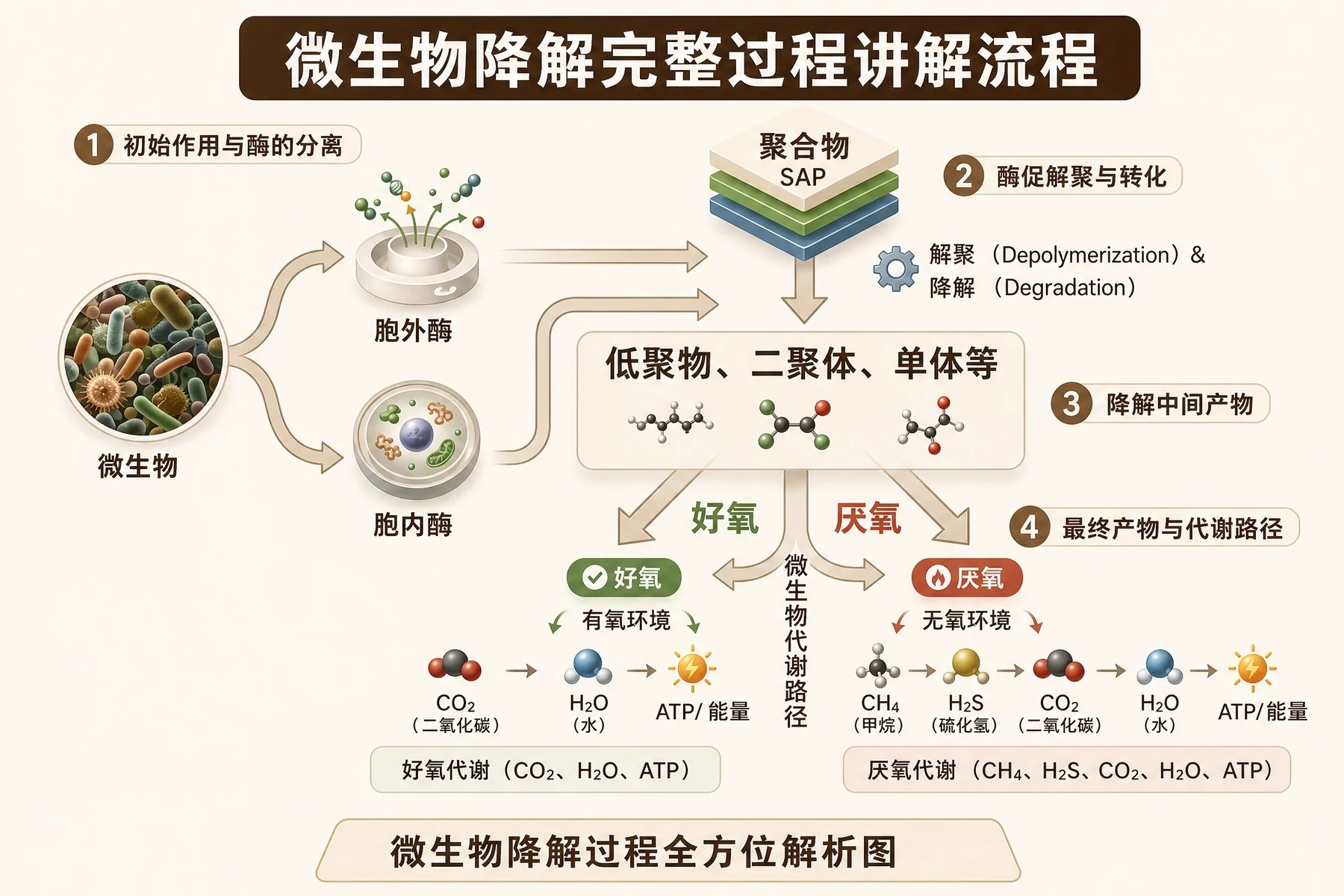
Reference diagram with Chinese labels; an English explanation is provided below.
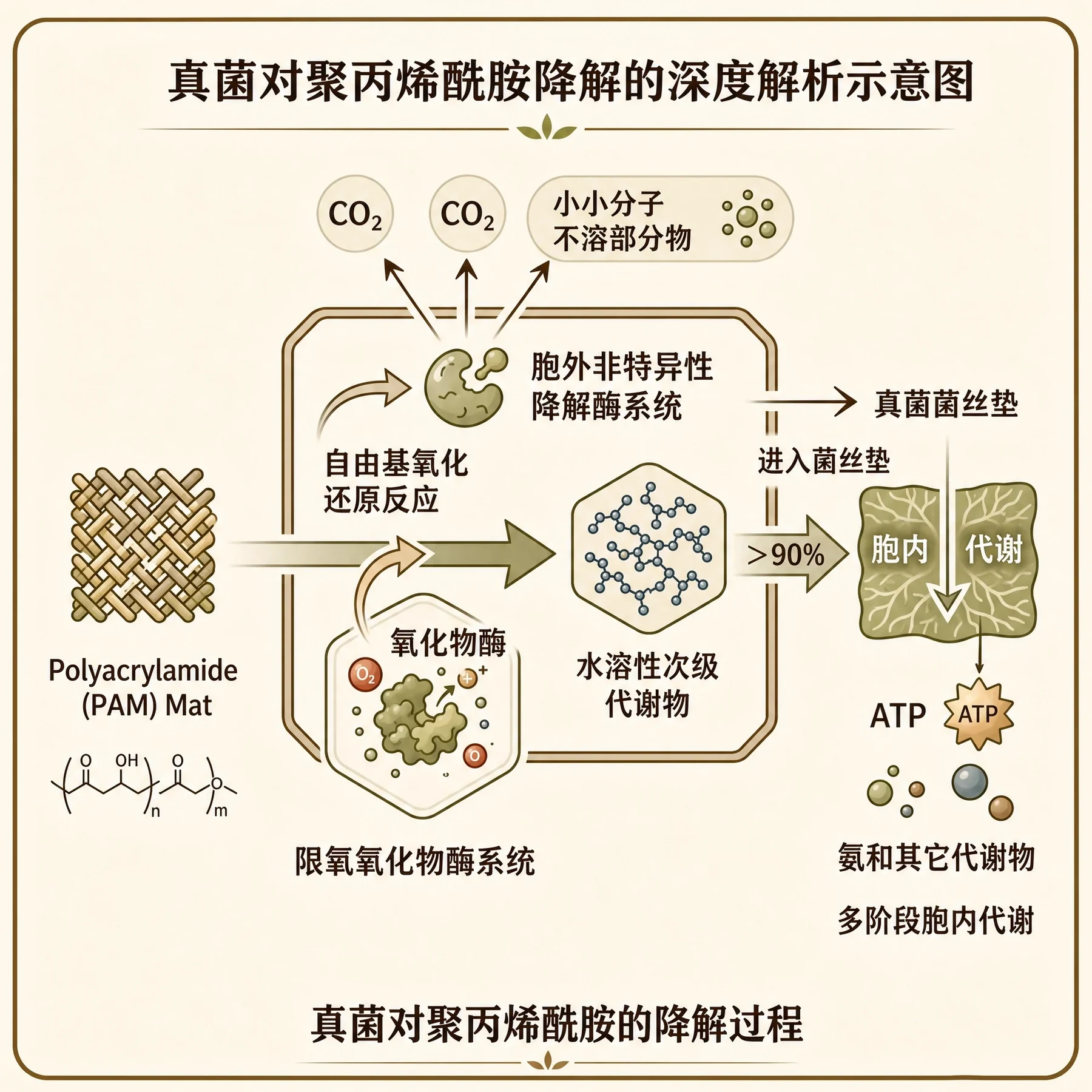
Reference diagram with Chinese labels; an English explanation is provided below.
APPLICATION CONTEXT / 07
Choose the model and application method for your growing conditions, starting with a small-scale trial. Refer to the relevant product tests and application information for expected performance.
APPLICATIONS BEYOND CROP PRODUCTION
Tell us about the site, not just the crop. We review the SAP formulation and a small-scale trial with you before considering wider use.
Select a suitable formulation based on soil EC and pH, irrigation-water salinity and drainage. Salinity affects absorption; use SAP alongside the site’s salt-management and soil-improvement measures.
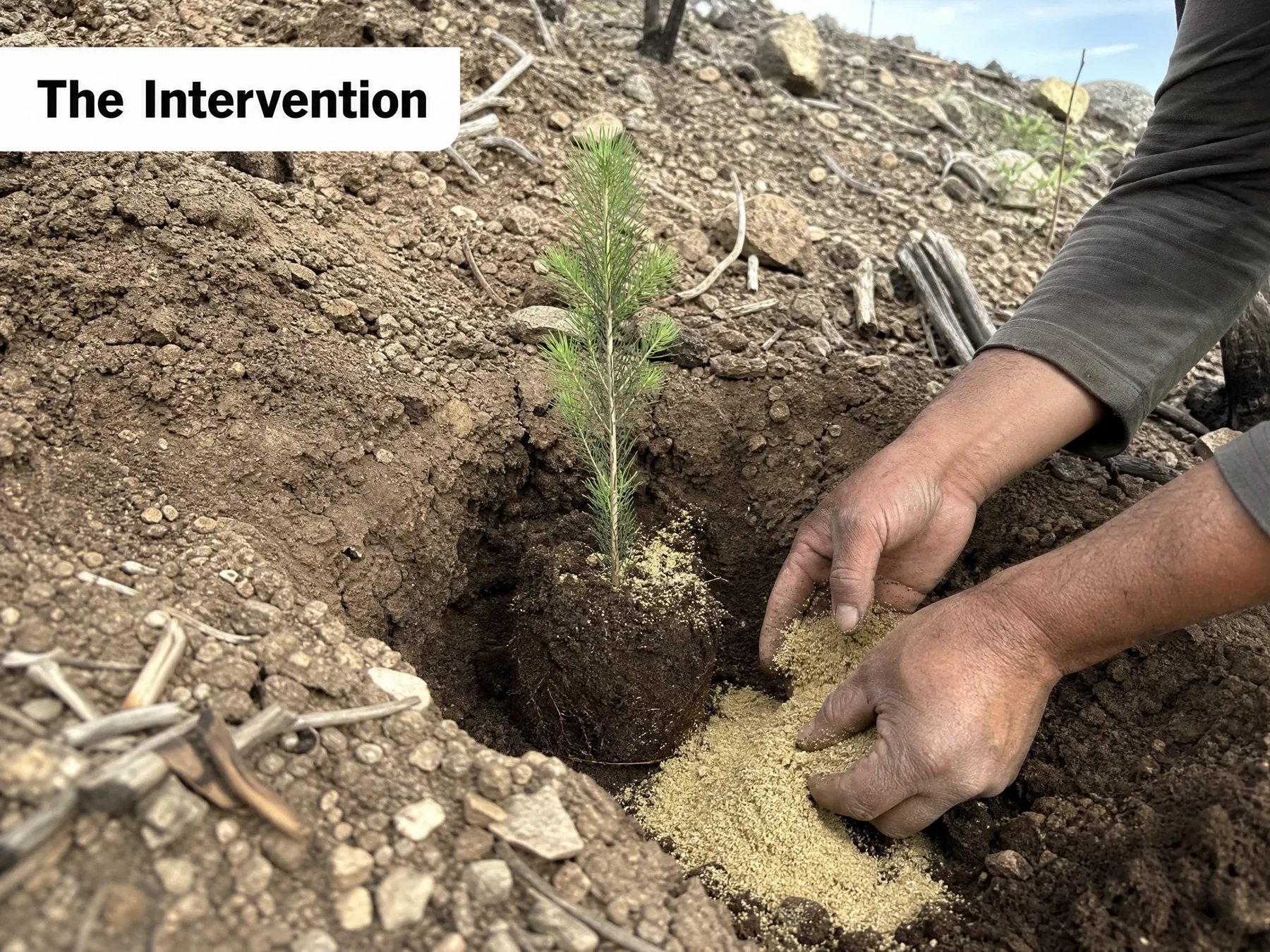
Discuss root-zone moisture support for seedling establishment on dry or degraded sites. Species selection, soil preparation, water supply and environmental suitability remain part of the project.
Review planting substrate, root-zone placement, access for irrigation and follow-up care. SAP is a possible moisture-management component, not a substitute for erosion control or slope-stability engineering.
Select a suitable approach for the site, starting with a small-scale trial. Use plant establishment, irrigation needs and maintenance costs to guide wider application.
CUSTOMERS & CHANNELS / 08
Funder reviews product information for your application and purchasing role, then discusses samples, purchasing terms and export logistics with you.
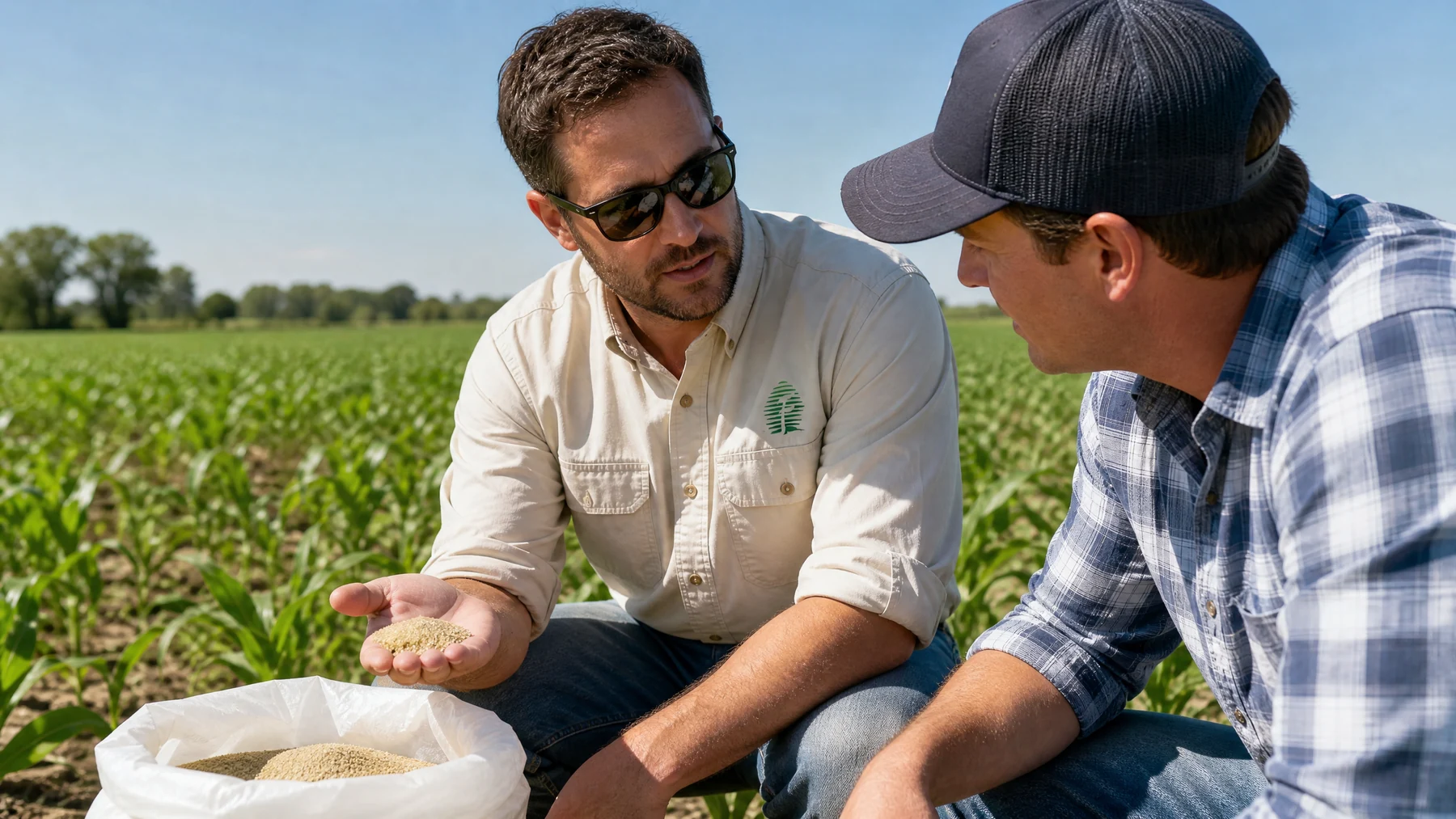
You share crops, area, medium and water conditions. We review particle-size options and product instructions with you, then discuss site-specific conditions and evaluation goals.
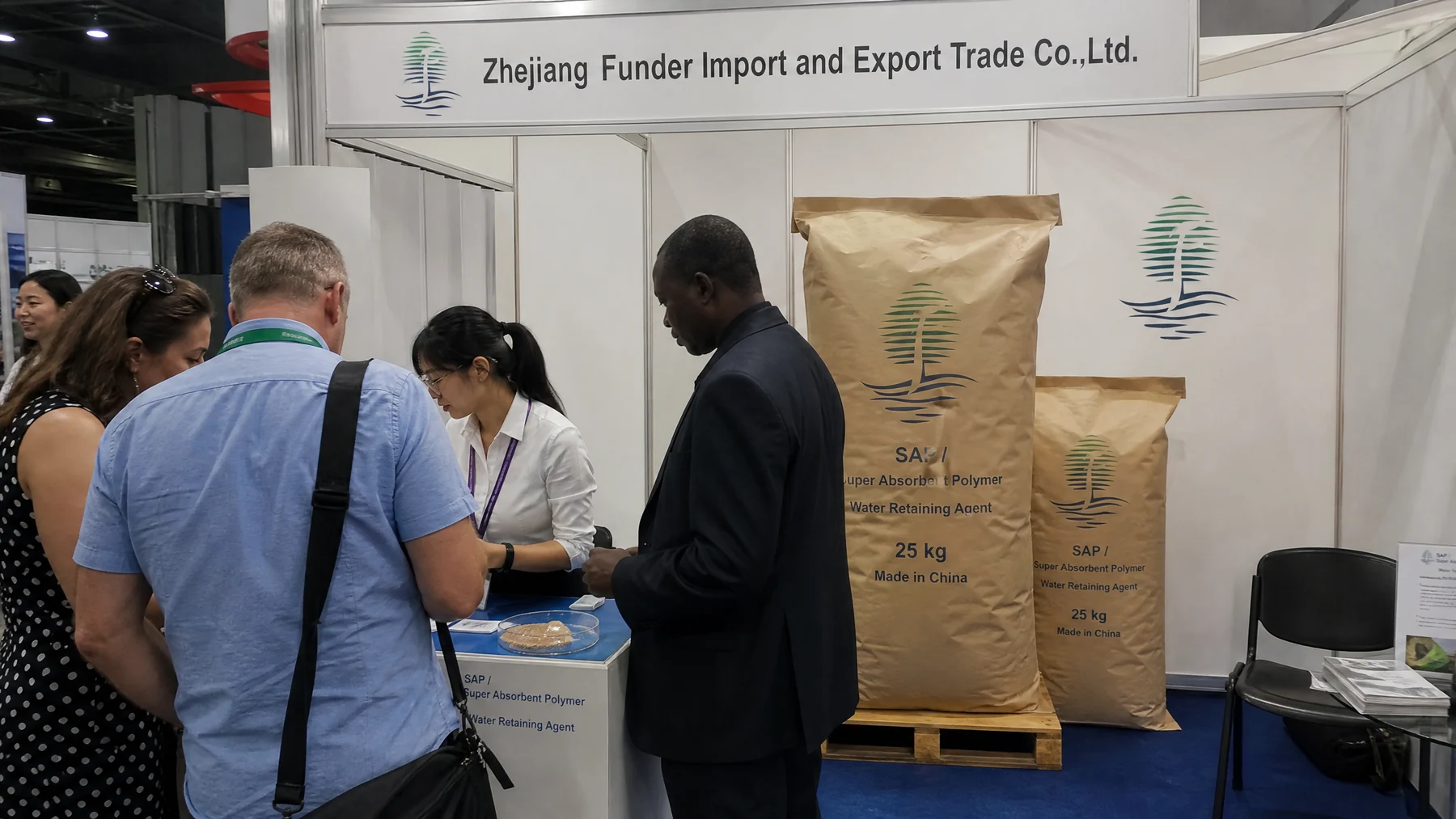
You describe markets, customer needs, packaging preferences and purchasing scale. We review product information, samples and batch purchasing terms with you.
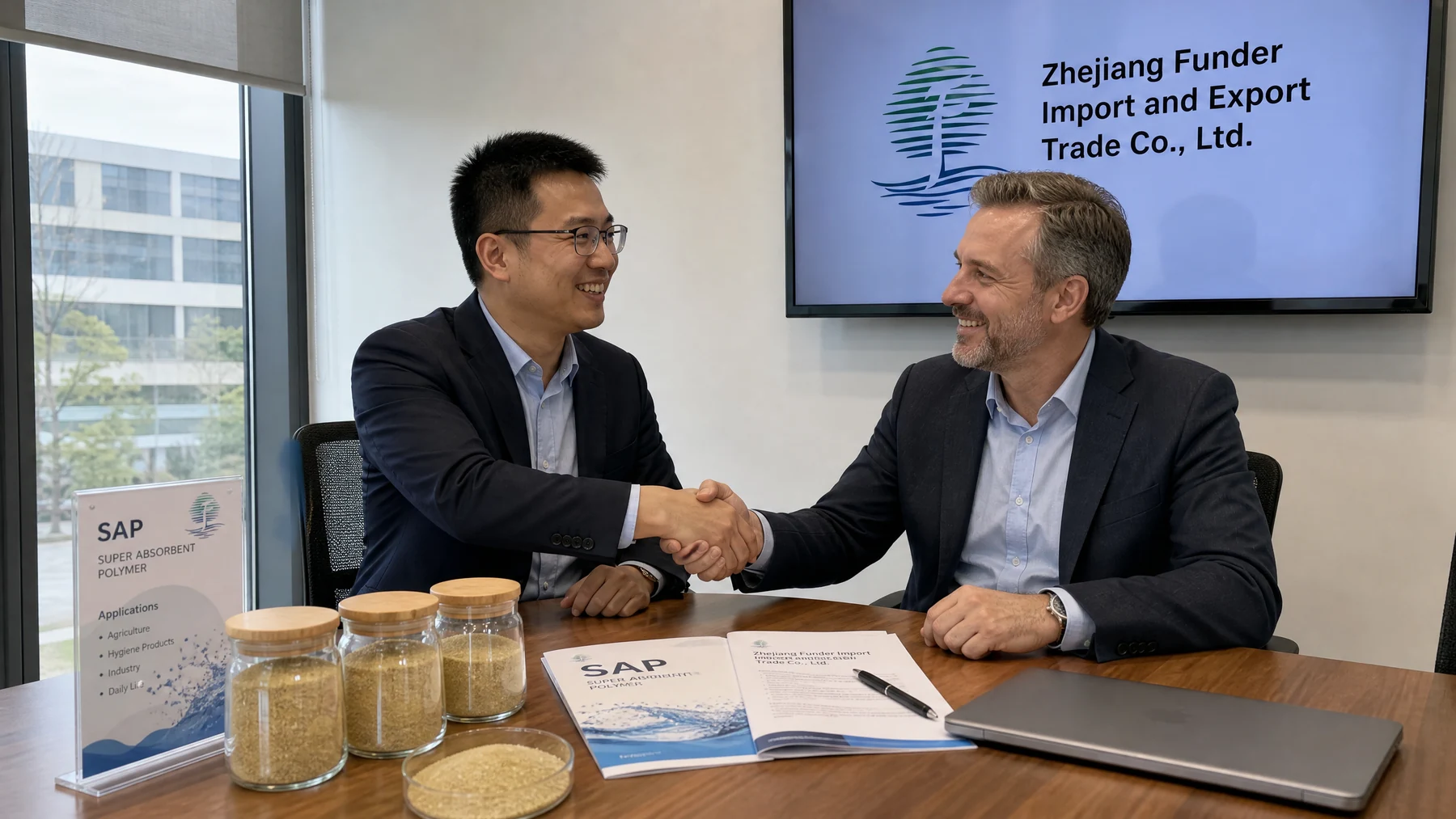
You share the project location, crop stage and evaluation plan. We coordinate model and supporting information reviews, then discuss project purchasing arrangements with you.
Product consultation illustration
AGRICULTURAL SAP · ECONOMIC VALUE
Make water retention work for your overall growing returns: consider irrigation, fertilizer and labour costs alongside the market value of your crop.
Water and pumping energy · fertilizer inputs · labour and repeat field work
Potential for improved marketable yield and crop quality, with opportunities to reach the market earlier
SAP purchase, freight, application and related costs
Results vary with crops, soil, water quality, growing practices and market conditions. We help assess suitable application rates and overall costs for your growing conditions.
Evaluate your SAP economics →DOCUMENTS & INQUIRY / 10
Share application context and particle-size needs with us. We review model information and document applicability, then discuss samples, quotation and logistics terms with you.
Crop or project, growing medium, water, irrigation and evaluation goals
Model, grade, particle size, packaging and current specifications
Request TDS, SDS, test reports and destination-market documents as needed
DOWNLOADS
PDF · English · 12 pages
ZGHFNBFAD · English · Revision 2.0 · 2026-06-20
FUNDER-SAP-01 · IMO IMDG Code 2024 · 2026-06-22
Files apply only to the identified product, sample and transport scope. Match the actual goods to the documents. A sea transport assessment is not proof of compliance for other transport modes or markets.
Share crop, growing medium and water information with us to start an SAP purchasing discussion.
Start SAP inquiry →Further reading: independent SAP research on water and nutrient use, saline soils and vegetation establishment. Findings apply to the formulations and conditions described in each study.